

Youth softball has changed tremendously. There are more opportunities to play, more tournaments, more teams, more exposure and more ways for athletes to compete than ever before.
And that's a great thing.
But it also gives us an opportunity to ask an important question:
Are we giving young athletes enough time to actually develop the skills they need to succeed?
Competition is an important part of an athlete's journey. Games teach decision-making, confidence, resilience and how to perform under pressure. Tournaments can create incredible experiences and memories for players and families.
But games are not the same thing as development.
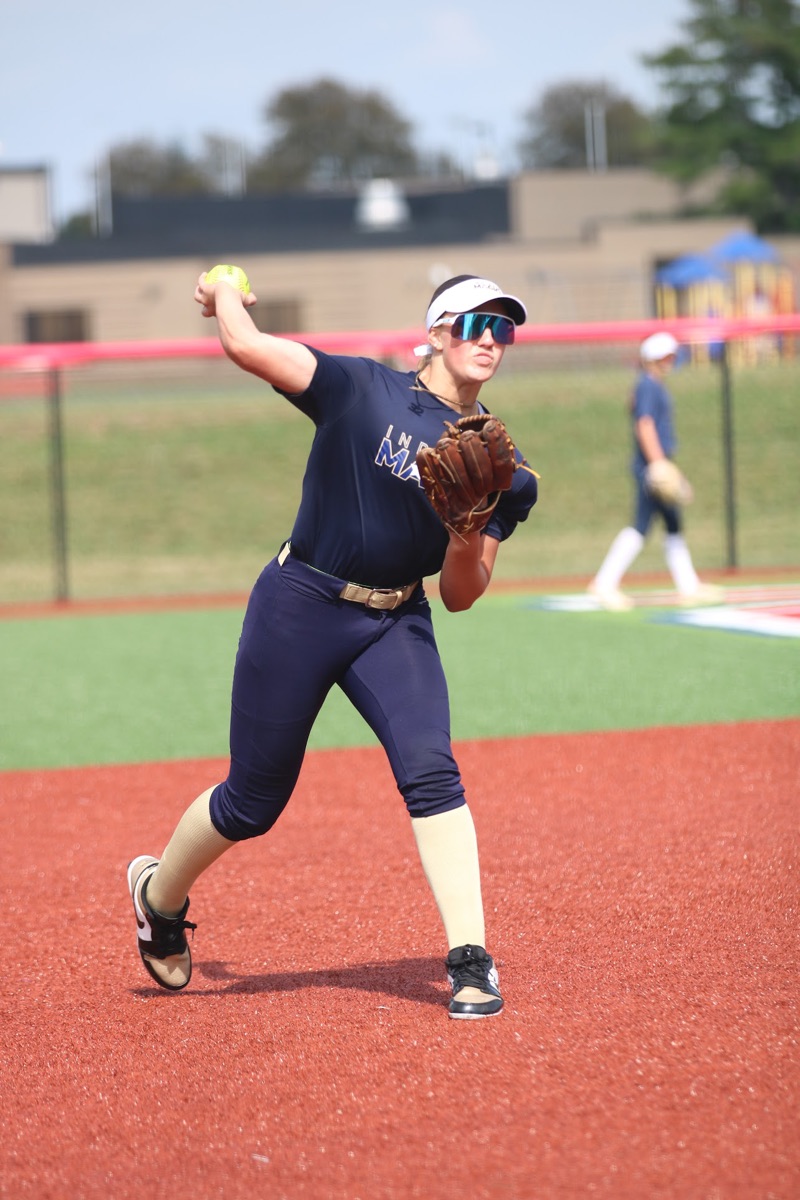
Every throw in a game is a rep. Whether it is a rep worth repeating is decided long before the first pitch.
Development requires time to slow things down, identify movement patterns, build strength and coordination, learn proper mechanics, and allow athletes to make adjustments without the pressure of a scoreboard.
Too often, we see athletes spending weekend after weekend competing, while the foundational skills that support their performance aren't receiving the same attention.
And this is especially important when it comes to throwing.
An athlete can play hundreds of innings and still reinforce inefficient throwing mechanics. More repetitions don't automatically create better movement. Repetition only becomes development when the repetition is helping the athlete move better.
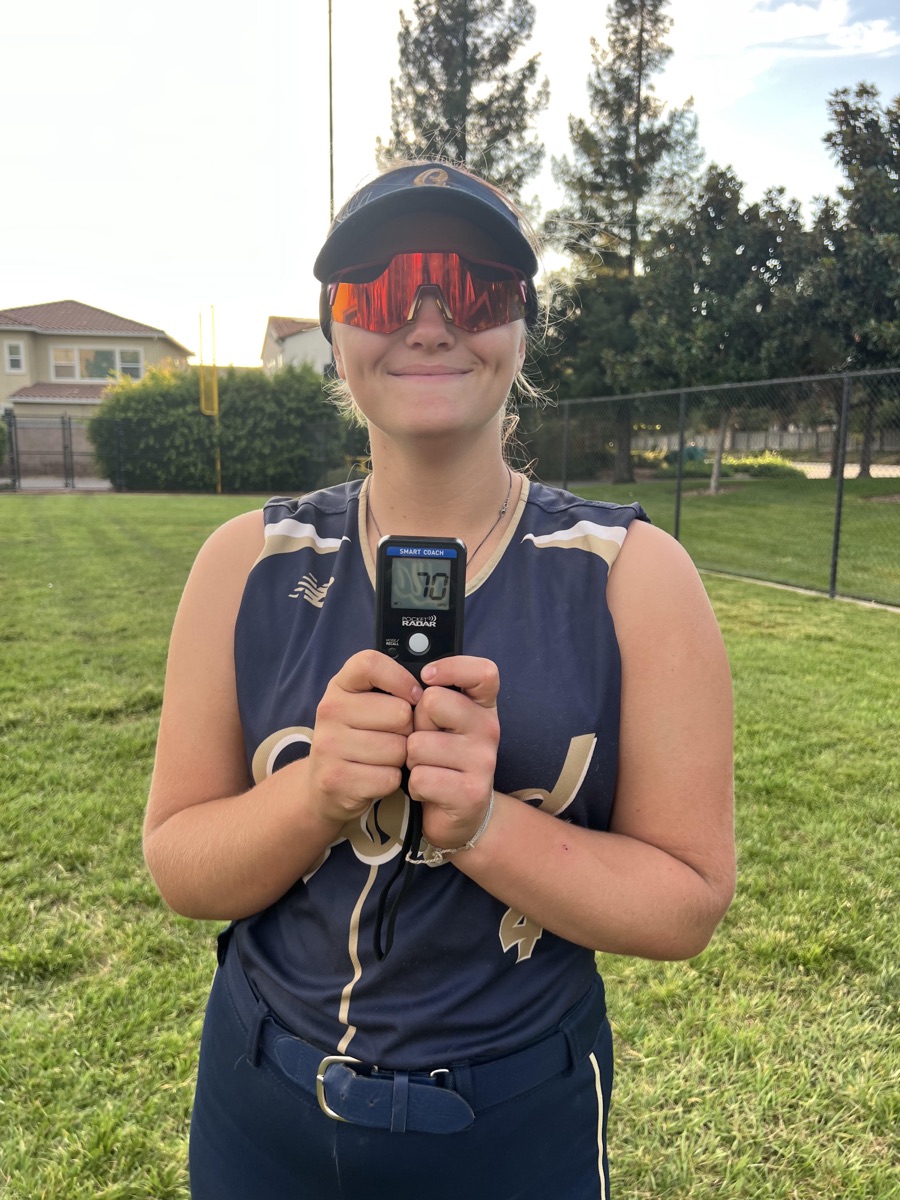
Progress you can measure. This is what development looks like when the work happens between the tournaments.
That's where we have to look at the bigger picture.
If a young athlete is spending significant time and money traveling to tournaments, staying in hotels, paying entry fees and dedicating entire weekends to softball, shouldn't some of that investment also go toward teaching the skills that will help them perform better and stay healthier?
This isn't an argument against tournaments.
It's an argument for balance.
- Play.
- Compete.
- Learn.
- Develop.
- Recover.
- Repeat.
Athletes need all of it.
The goal shouldn't simply be to create more opportunities to play softball. The goal should be to create better softball players—and better athletes.
Start them the right way.
For our youngest athletes, development doesn't have to be complicated. It has to be consistent. The Little Lightning Bolts program was built exactly for this — giving coaches and parents a proper throwing warm-up and progression they can run during the week, without needing a background in mechanics.

Before we add another tournament to the calendar, perhaps we should ask:
What are we doing during the week to make sure our athletes are prepared for those games?
Because spending more time competing doesn't necessarily mean we're developing more.
The scoreboard measures today's performance. Development determines what an athlete may be capable of tomorrow.
Let's make sure we're investing in both.