

High Level Throwing® isn't just something athletes discover when they get to college.
College programs are already using it.
D1 programs. JUCO programs. College coaches working with their athletes to improve throwing mechanics, movement patterns, arm care and overall throwing development.
And that means something important for the next generation of athletes:
College coaches are becoming familiar with what efficient throwing development looks like.
They know what they're looking for.
Your College Coach May Already Know High Level Throwing®
When a college coach has worked with HLT, they don't just know the name. They understand the philosophy. They've seen the movement patterns. They've seen athletes work through the progression.
They understand that throwing development isn't simply telling an athlete to “throw harder.”
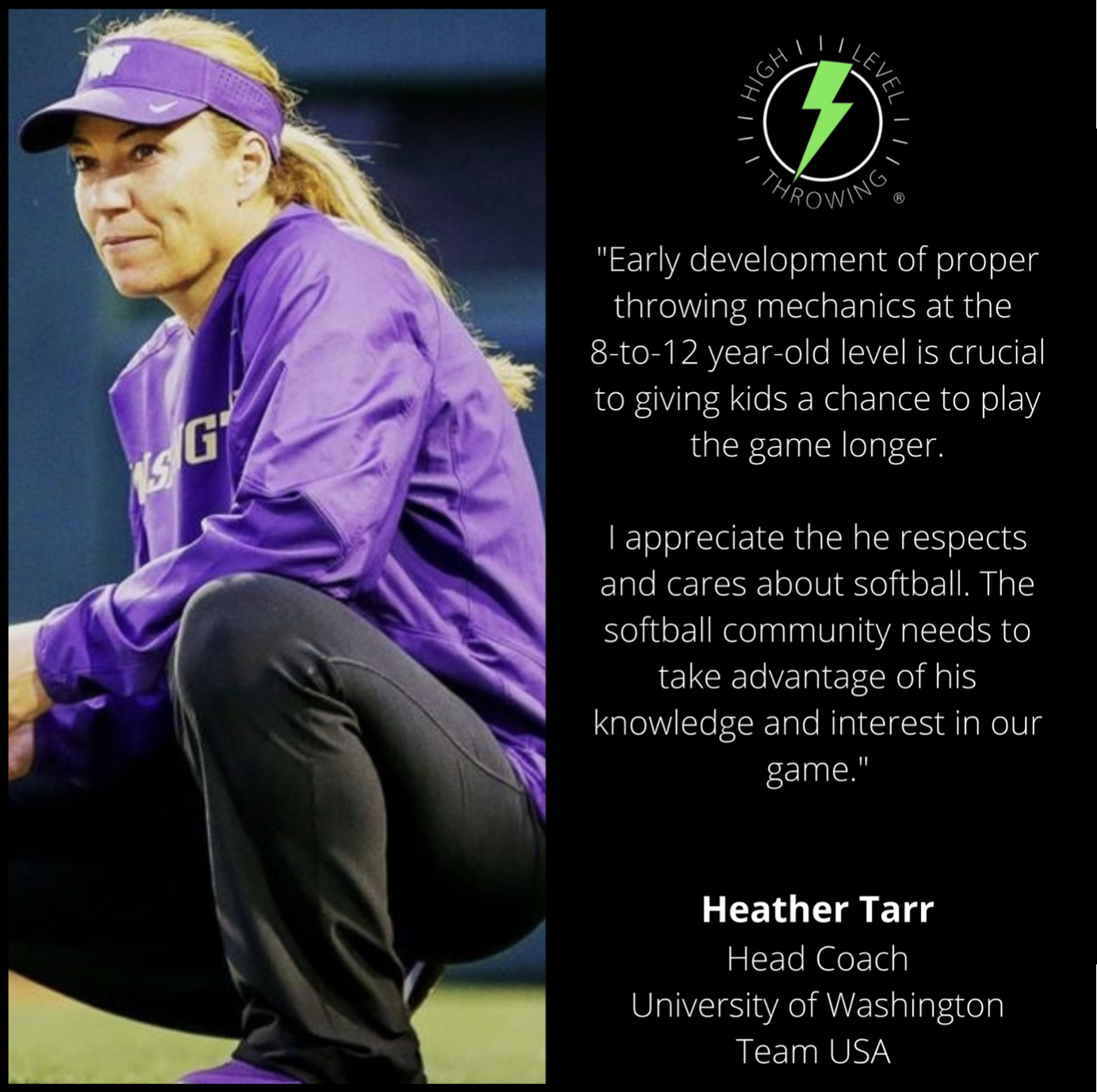
Heather Tarr — Head Coach, University of Washington.
So when that coach watches a recruit throw, they may recognize whether that athlete has been exposed to quality throwing development.
The athlete may never have to say, “I trained with HLT.”
- The movement can tell the story.
- The way an athlete prepares to throw.
- The way she uses her lower half.
- The way she creates rotation.
- The way her body works together.
- The way she moves into different throwing patterns.
- The way she finishes the throw.
Don't Wait Until College to Learn How to Throw
One of the biggest mistakes athletes and coaches can make is waiting until the college level to start developing throwing mechanics.
Why wait?
If college programs are already incorporating HLT concepts into their development, younger athletes have an opportunity to learn those principles before they ever step on a college campus.
That doesn't mean every 10-year-old needs to throw like a college athlete.
It means young athletes should learn how to move, sequence and develop their throwing ability appropriately for their age and stage of development.
- Build the movement first.
- Develop the skill.
- Then continue progressing as the athlete grows.
Coaches Should Learn It Too
This isn't just an athlete conversation.
Youth and travel coaches have an enormous influence on how athletes learn to throw. The cues a coach gives at 10 can become habits at 14. Those habits can follow an athlete into high school. And eventually, they can show up when that athlete is being evaluated by a college coach.
That's why coaches shouldn't wait until their players reach the recruiting age to start learning about throwing development.
If college programs are using these concepts now, youth and travel coaches should understand them now. The earlier the coaching education starts, the better the athlete's foundation can become.
The Recruiting Advantage Isn't Just the Radar Gun
Throwing velocity matters. But college coaches see much more than a radar-gun number.
- They see how an athlete moves.
- They see how she creates and transfers force.
- They see whether she can adapt her footwork.
- They see whether she can throw from different positions.
- They see whether her mechanics allow her to repeat the movement.
And experienced coaches can recognize when an athlete has been exposed to a structured throwing-development system.
That's why HLT isn't about creating athletes who all look identical.
It's about developing athletes who understand how to throw.
The Future College Athlete Is Being Developed Right Now
The athlete who eventually plays D1 or JUCO softball isn't suddenly created when she arrives on campus. Her movement patterns, athletic foundation and throwing habits have been developing for years.
So why wait?
- Learn the principles now.
- Coach them correctly now.
- Develop the athlete now.
Because the college game is already using better throwing-development strategies.
And the coaches evaluating the next generation are paying attention.
What Coaches and Athletes Say

Beth Torina — Head Coach, LSU.

Haylie McCleney — Team USA Softball.
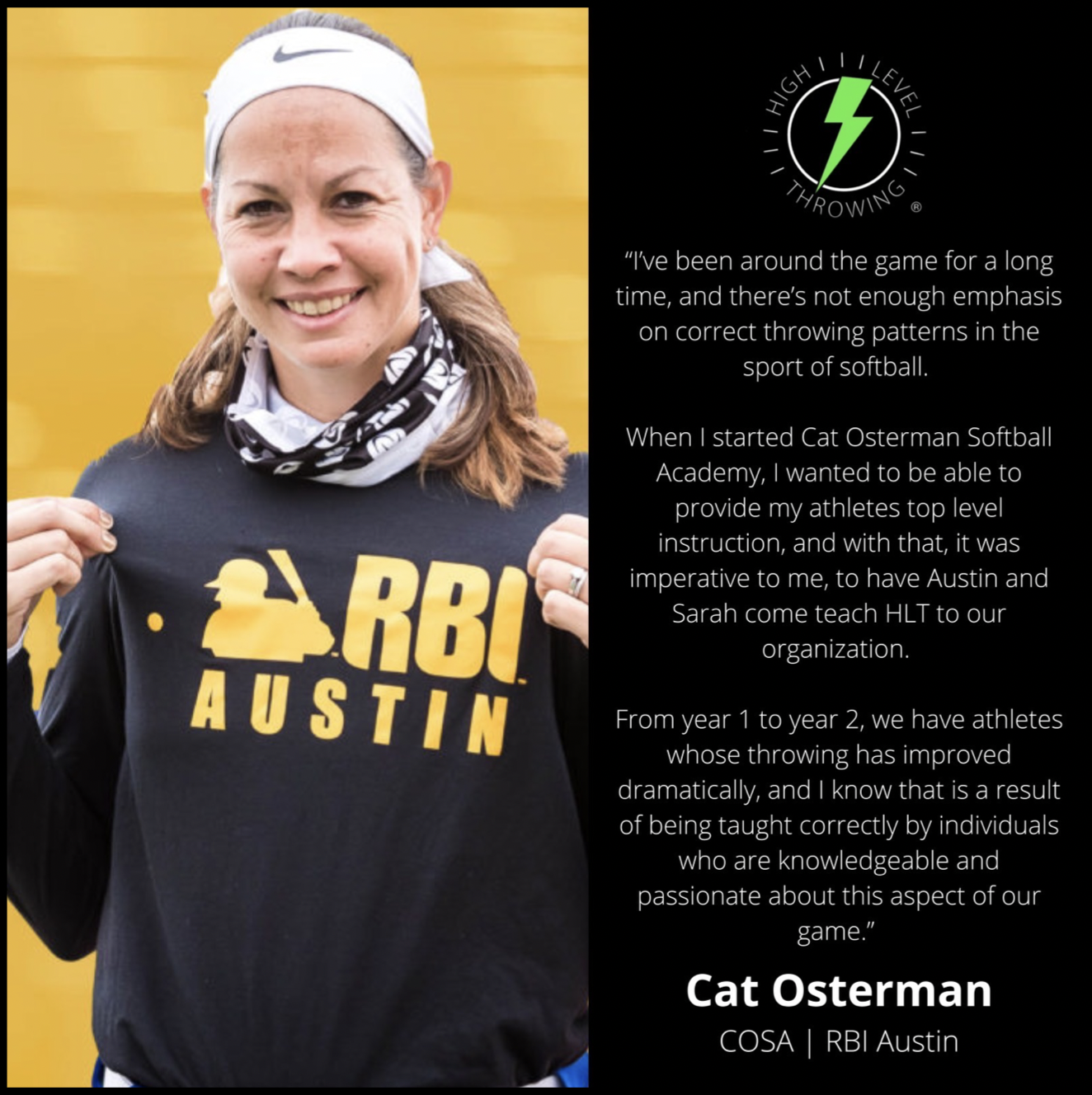
Cat Osterman — COSA / RBI Austin.

Amanda Scarborough — ESPN Analyst, Pitching Angel.

Jami Lobpries — CEO, Alliance Fastpitch.
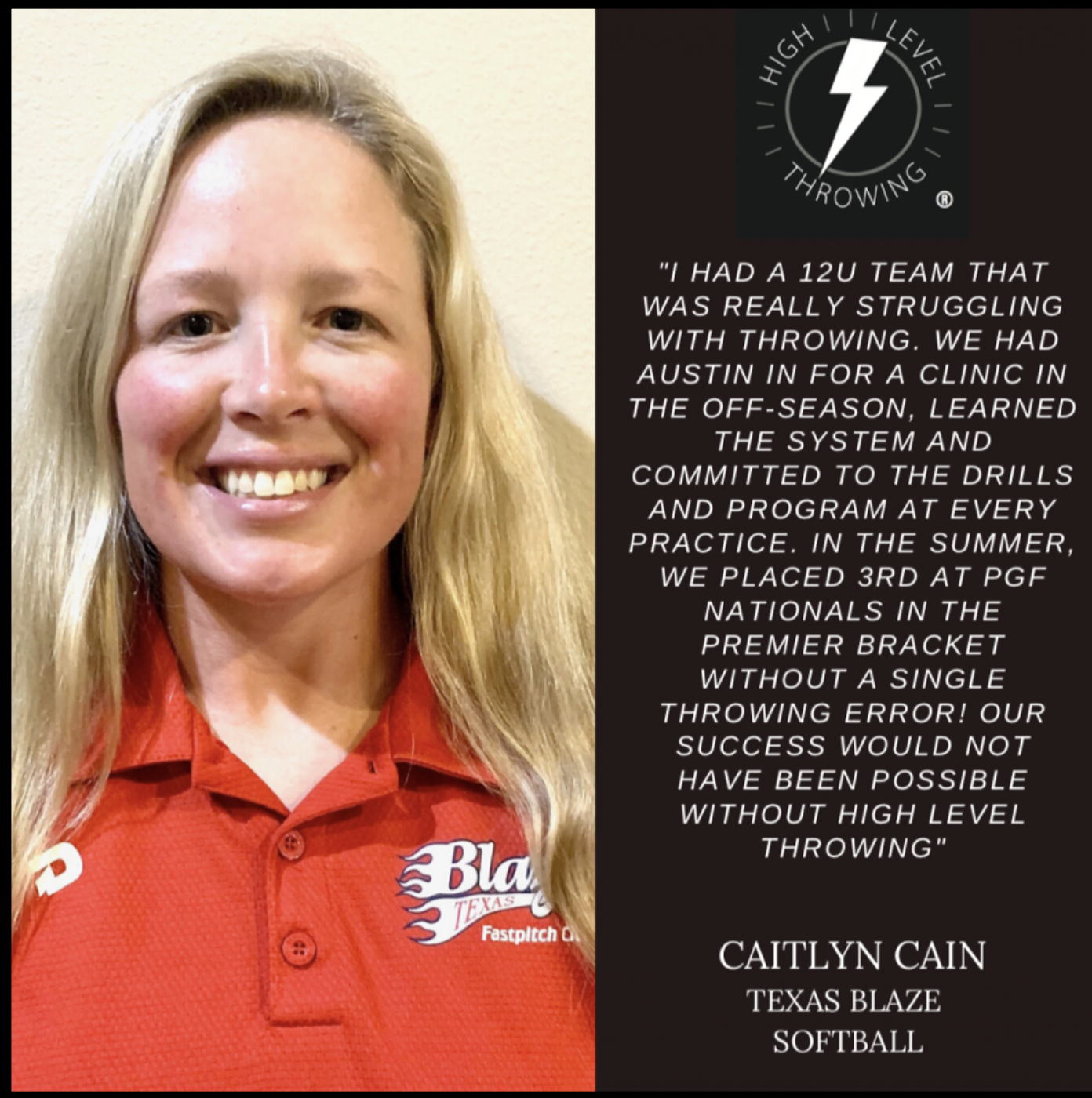
Caitlyn Cain — Texas Blaze Softball.

Kevin Hinde — Team NC Softball.