

The season is when baseball and softball athletes need their throwing arm the most.
Games, practices, travel, tournaments and repeated high-intent throws all add stress to the body. That doesn’t mean throwing development should stop once the season starts. In fact, in-season throwing is one of the most important times to maintain the movement patterns, sequencing and arm-care habits an athlete has developed in training.
At High Level Throwing®, we believe the goal during the season is not to constantly “build” more. The goal is to maintain quality, maintain movement, maintain arm health and keep the athlete prepared to throw with intent when the game demands it.
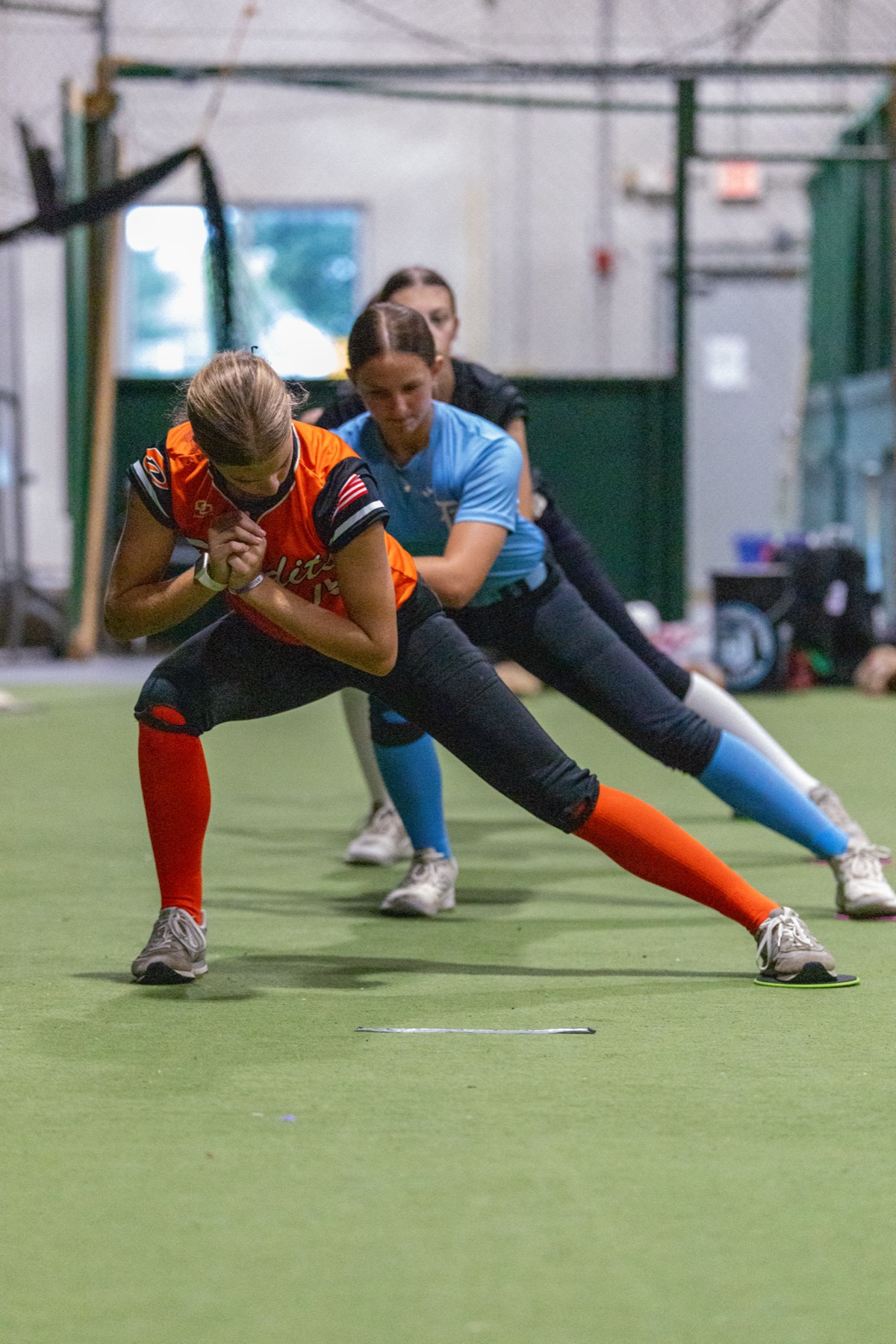
In season, the job is to maintain what you built — not to rebuild it.
Your Arm Still Needs to Move
One of the biggest mistakes athletes make during the season is thinking that games alone are enough throwing preparation.
Game throws are high-intent throws. They are not necessarily a complete throwing-development program.
An athlete can compete several times a week while still needing quality movement work that addresses the lower half, trunk rotation, scapular movement, arm pathway and overall throwing sequence.
The question is:
“What does my body need in season from the program?”
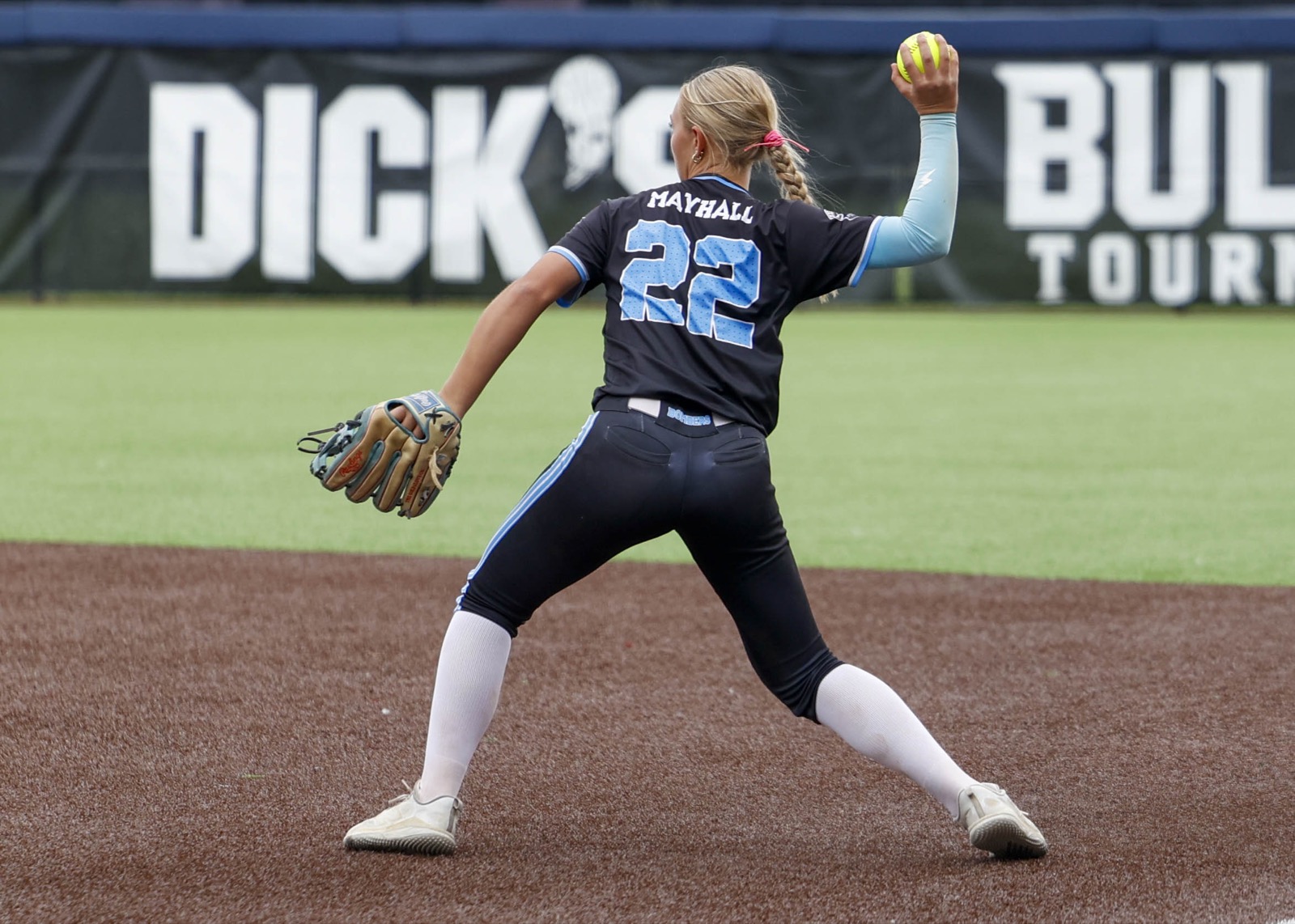
Game throws are high-intent throws — not a development program.
Maintain the Pattern
In-season work should reinforce the athlete’s earned pathway and efficient sequencing.
We want athletes to continue moving through the positions and patterns that allow them to transfer energy from the ground, through the lower half, into the trunk and ultimately into the arm.
That can include:
- Scapular activation
- Lower-half movement
- Hip and trunk rotation
- Arm-pathway work
- Throwing-specific movement patterns
- Controlled plyometric work
- Band work
- Pre-throw preparation
- Arm-care movements
- Intentional throwing
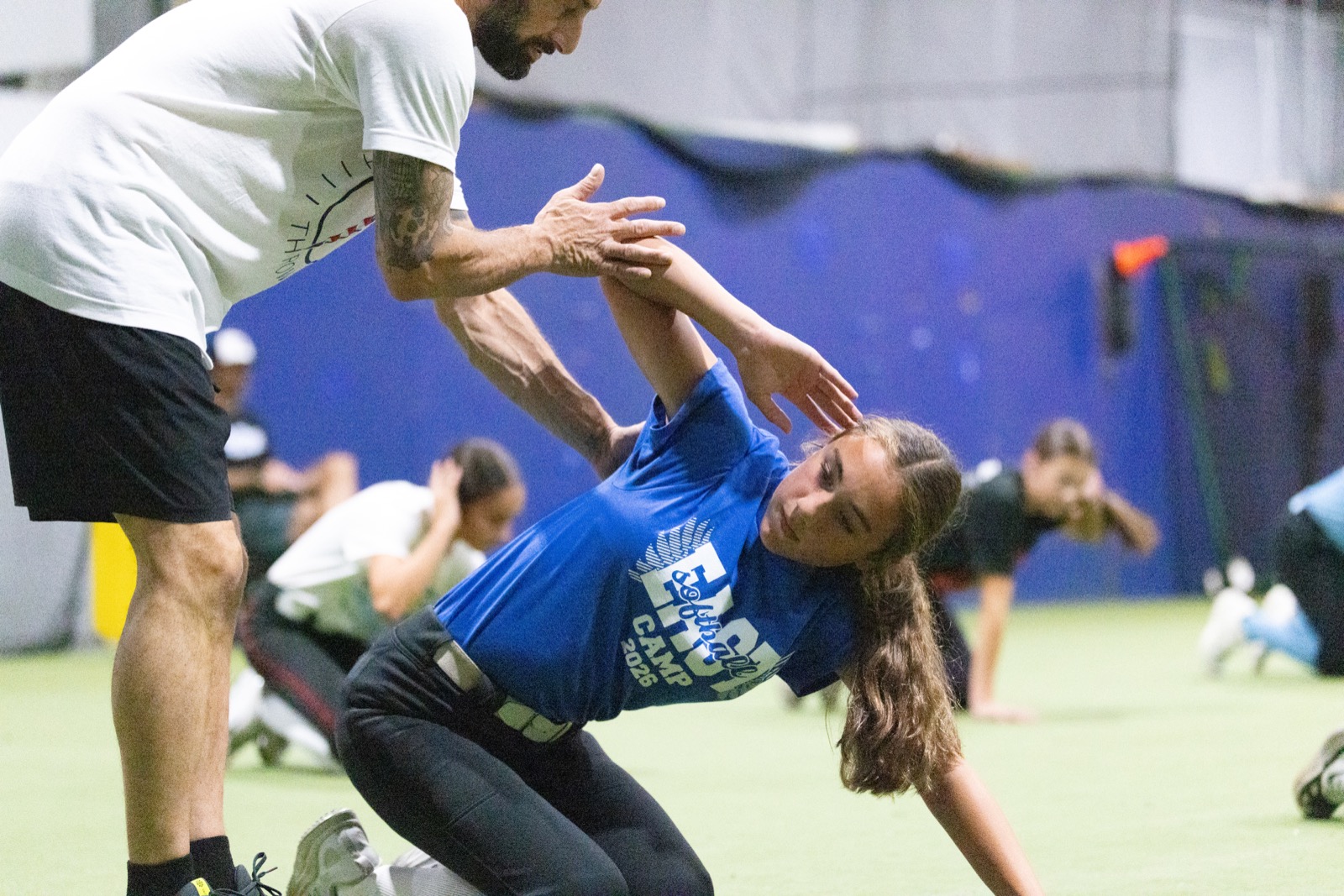
Reinforce the pathway the athlete has already earned.
Lightning Balls: Maintain Arm Speed Without Just Throwing More
Our Lightning Balls give athletes another tool to continue developing and maintaining throwing qualities throughout the season. It’s exciting that we now have baseball-specific plyos on the website.
Plyometric work can challenge the athlete’s ability to produce and transfer force while allowing us to work on movement patterns without simply adding more full-effort game throws.
The key is that plyos are not random exercises. They are part of a progression.
We use them to help athletes develop better awareness of the body (proprioception), improve sequencing, train intent and reinforce efficient movement patterns.
In season, your training will change depending on the athlete’s workload, position, competition schedule and how the body is responding.
More is not always better. Better movement is better.
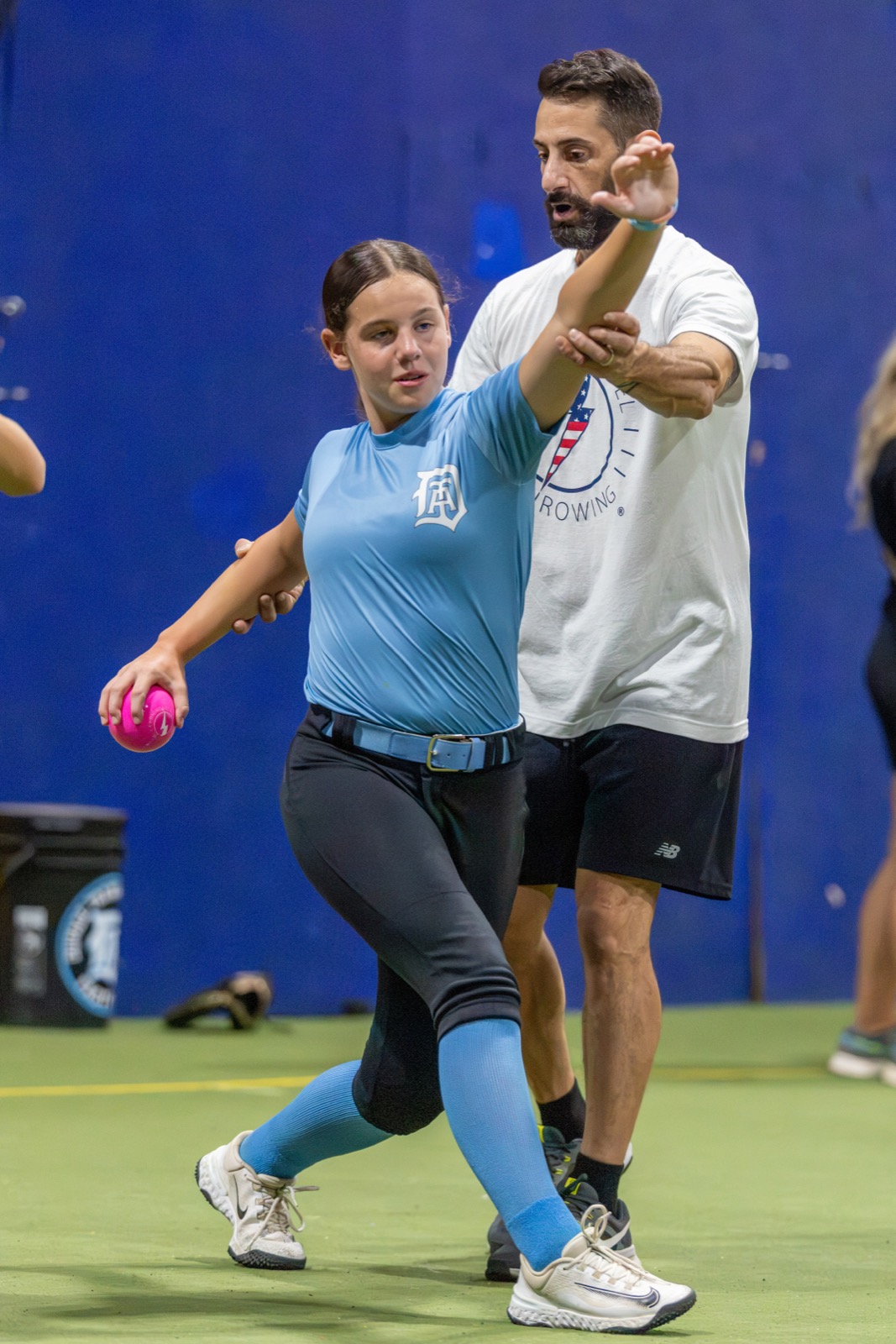
Plyos are part of a progression — not a random drill.
Bands Have a Purpose, Too
Our HLT band work is another important piece of an in-season routine.
Bands can be used to prepare the shoulder complex, reinforce scapular movement and help athletes get the arm and upper body ready for throwing.
We want athletes to understand why they are doing the movement and how it connects to throwing.
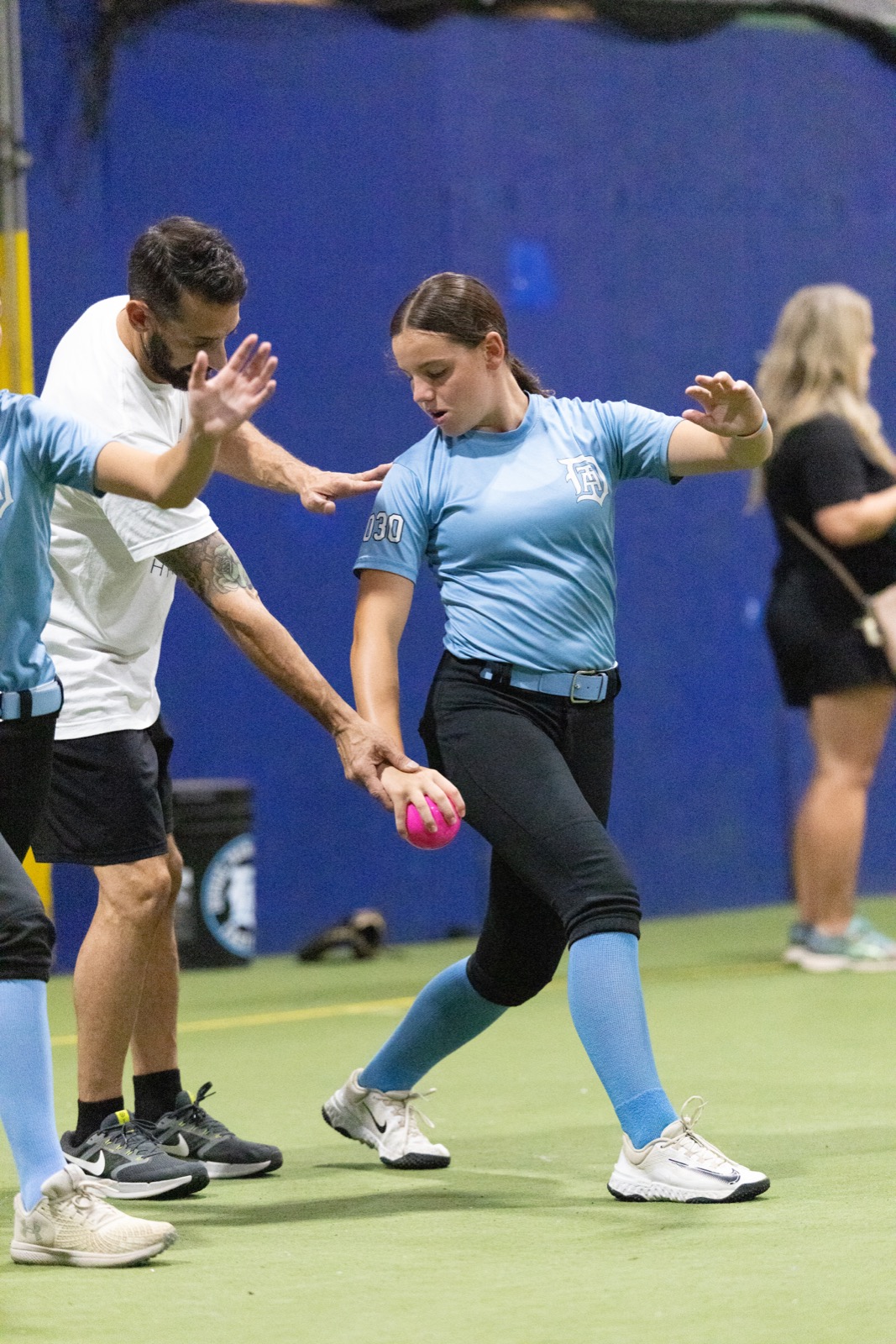
Preparation is part of the routine, not a reaction to pain.
Don’t Wait Until Your Arm Hurts
Arm care shouldn’t begin when an athlete says:
“My arm hurts.”
It should be part of the athlete’s routine before there is a problem.
That means paying attention to workload, recovery, sleep, hydration, strength, mobility and the quality of the athlete’s movement.
It also means recognizing that an athlete’s throwing volume is not just the number of throws they take at practice.
Smart in-season programming accounts for the total throwing workload.
Quality Over Quantity
Sometimes the best in-season session is short.
A quality movement preparation routine, a few well-selected Lightning Ball exercises, appropriate band work and purposeful throwing may be exactly what the athlete needs.
Other days, the athlete may need more recovery.
The Season Is Not the Time to Stop Developing
The athlete who trains intelligently throughout the season isn’t trying to become a completely different thrower in the middle of competition.
They’re maintaining the qualities they’ve worked so hard to build.
- They’re keeping their movement patterns familiar.
- They’re maintaining their ability to move.
- They’re preparing their arm to throw.
- They’re learning how to manage workload.
- And they’re building the habits that will help them stay ready throughout a long season.
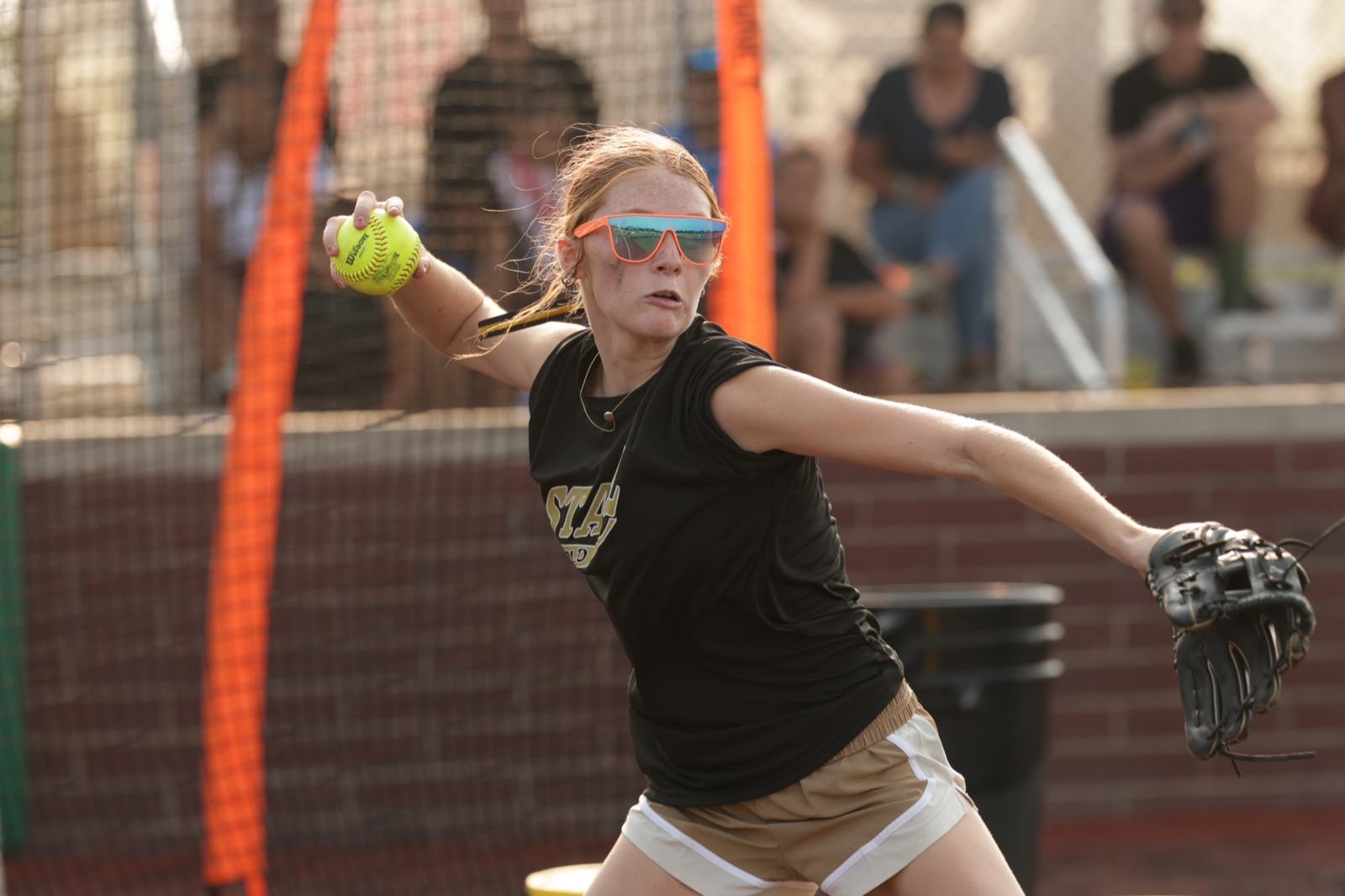
Stay ready, so the arm is ready when the game asks for it.
Shop the Lightning Ball Plyo Set →
Bring a High Level Throwing® clinic to your program →
High Level Throwing®
Building Better Throwing Athletes.