

Throwing a baseball or softball is often treated as one simple action: catch the ball, bring the arm back, and throw.
At High Level Throwing®, we see it very differently.
A throw is a sequence.
It is the result of multiple body segments working together in the right order, at the right time, and with the right intent. Before we ever talk about how the hand releases the ball, we have to understand what the rest of the body is doing to create that throw.
That is the foundation of the High Level Throwing® Breakdown.
We don’t simply teach a collection of throwing drills. We develop throwing athletes by breaking the throw down into understandable pieces and then teaching athletes how those pieces connect.
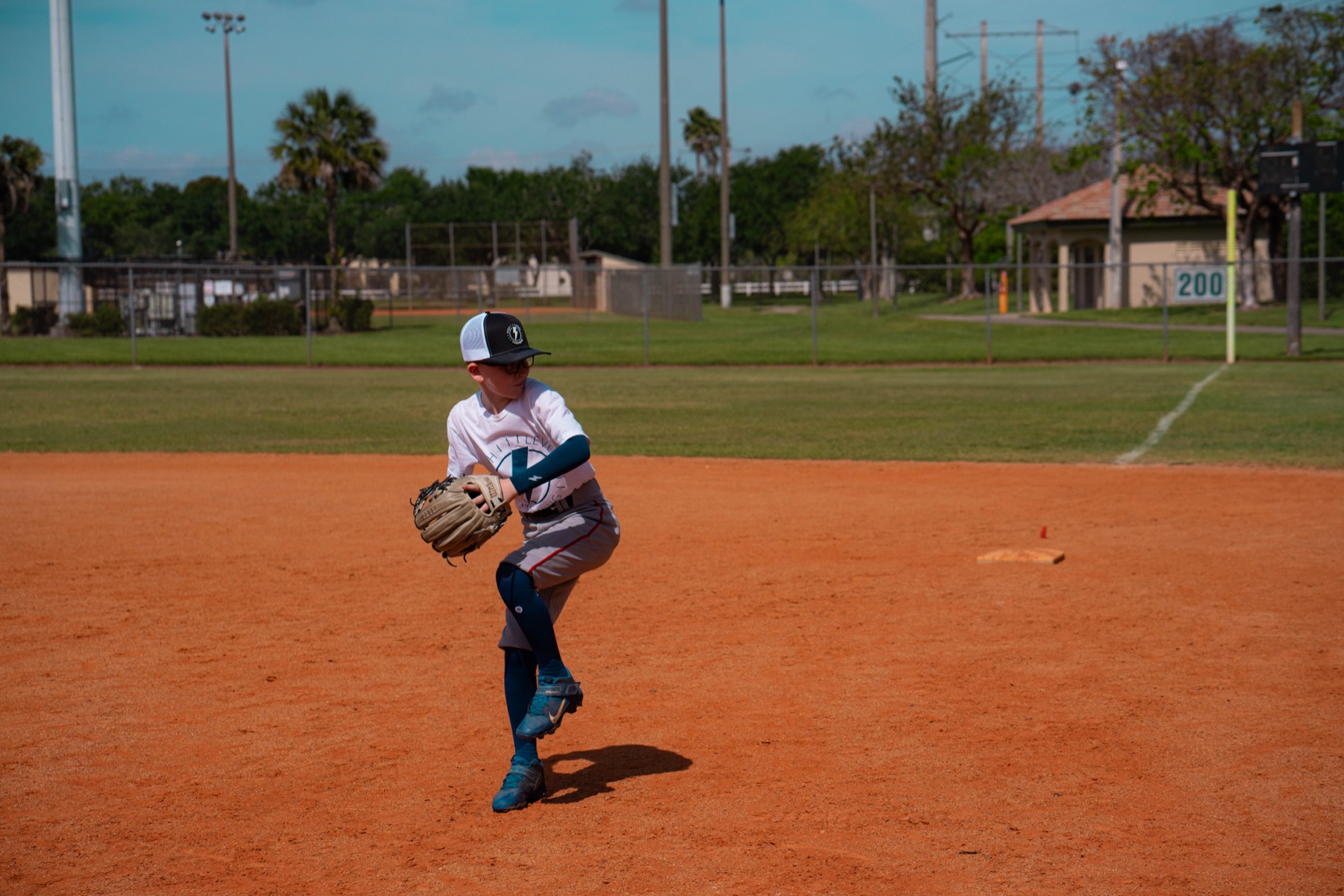
One movement — but a sequence of many.
The Throw Starts at the Ground
Efficient throwing begins with the ground.
The feet, ankles, knees, hips and lower body establish the foundation for everything that follows. If an athlete cannot create or transfer force from the ground, the arm is often forced to do too much of the work.
This is why lower-body mechanics are such an important part of the High Level Throwing® program.
We teach athletes to understand:
- Footwork
- Lower-body direction
- Hip movement
- Femur movement
- Weight transfer
- Rotation
- Timing
- Ground force
- Momentum
The goal isn’t simply to make an athlete move more. The goal is to help the athlete move better.
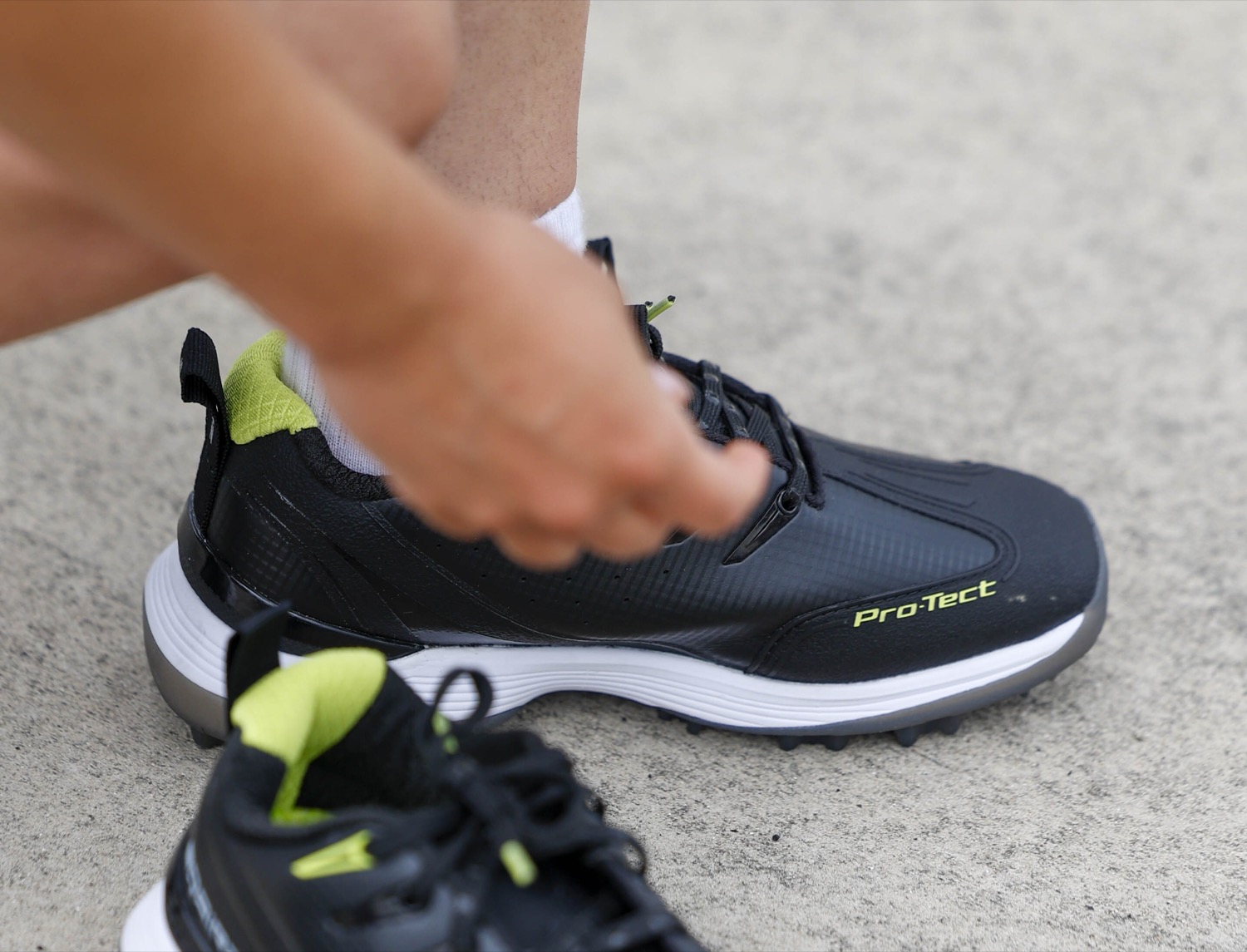
Everything above the ankle depends on what happens here first.
Building the Throw From the Ground Up
Once the lower body begins creating movement, that energy has to travel through the body.
An efficient throw allows the lower body, pelvis, trunk, scapula and arm to contribute in a coordinated sequence.
If the lower body isn’t contributing, the trunk may have to compensate.
If the trunk isn’t sequencing efficiently, the arm may have to compensate.
If the scapula isn’t functioning properly, the arm pathway may become inefficient.
And when the sequence breaks down, the athlete may still be able to throw — but they may be throwing with unnecessary stress, wasted movement or reduced efficiency.
The Scapula: A Critical Link in the Throw
The scapula is one of the most important pieces of the throwing athlete’s movement system.
At High Level Throwing®, we don’t look at the arm as an isolated structure.
The arm is connected to the shoulder complex, which is connected to the trunk, which is connected to the lower body.
The scapula needs to move and position itself appropriately as the athlete progresses through the throw.
This is one reason our program places such an emphasis on scapular movement and the scap pull.
The scap pull isn’t simply another warm-up exercise.
It is a foundational movement that helps athletes understand how to control and organize the shoulder blade as they prepare for throwing. We talk about this in depth in our High Level Throwing books online.
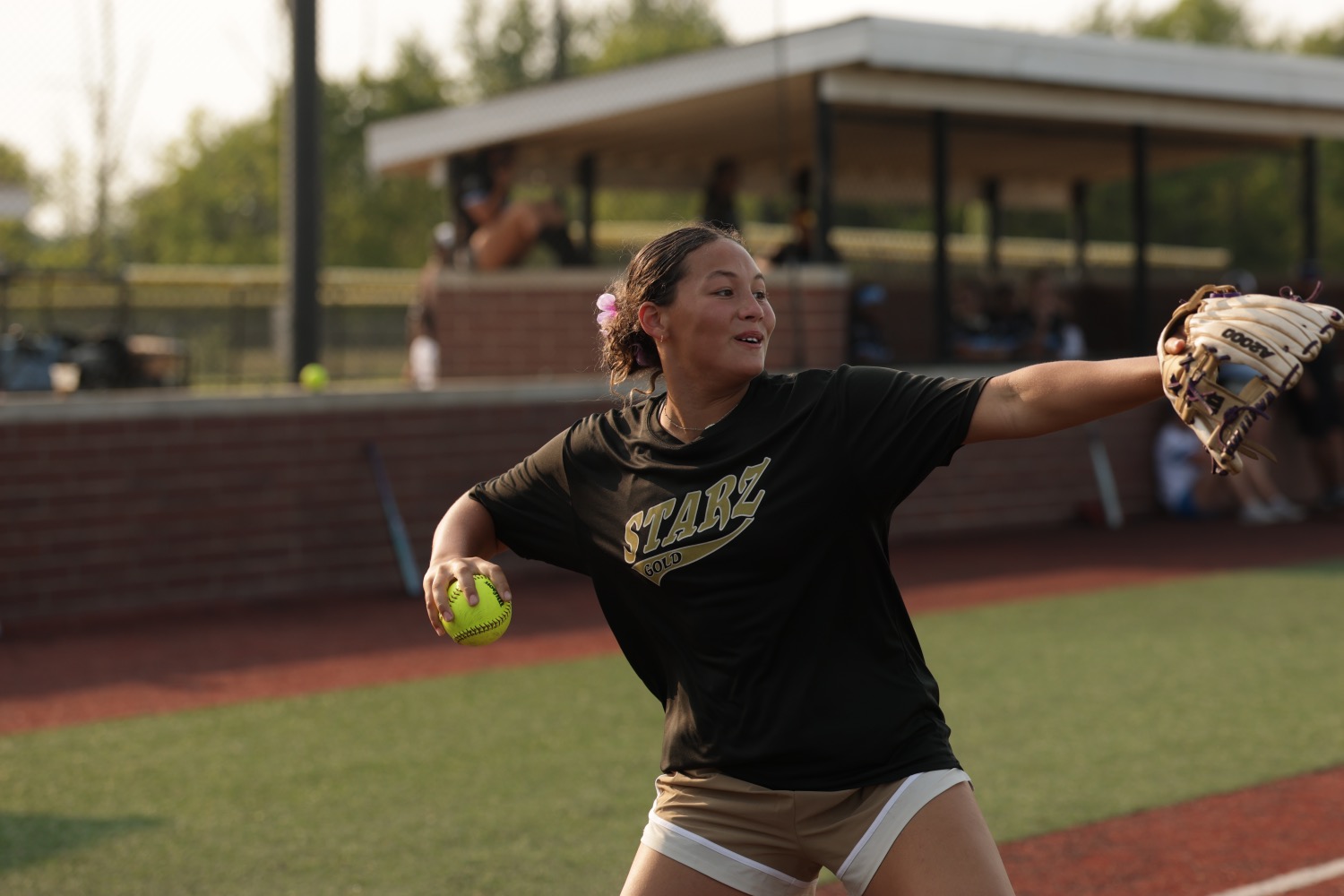
The arm is never working alone.
Rotation Has a Purpose
Rotation is another major component of the throwing sequence. But rotation isn’t simply “turn or twist your body.”
The athlete needs to learn when to rotate, where to rotate and how rotation connects to the rest of the throwing sequence.
We teach athletes to develop rotational movement through the hips, trunk and upper body while maintaining connection between the different parts of the body.
This is why HLT doesn’t rely on isolated drills that simply make an athlete look like they are throwing.
We want athletes to understand why they are moving.
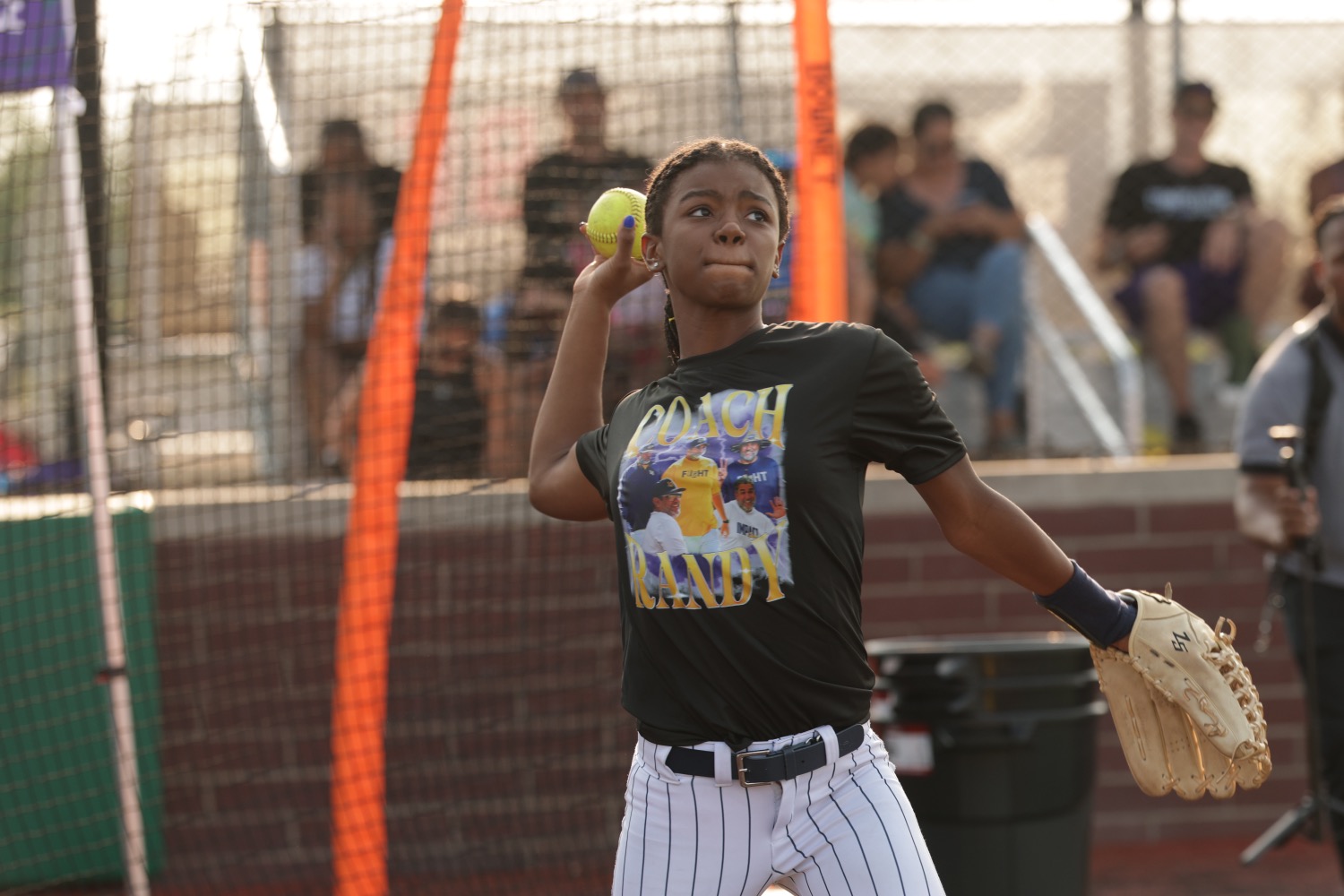
Rotation with a reason, not just a twist.
The Arm Pathway
As the body moves through the sequence, the throwing arm needs to find an efficient pathway.
This is where many athletes begin to notice the difference between simply throwing and actually understanding throwing mechanics.
The arm shouldn’t have to create the entire throw.
The body should help create the throw, and the arm should be able to move efficiently within that sequence.
At HLT, we teach baseball and softball athletes to understand arm pathways, throwing slots, glove-side organization, scapular movement and more.

The body creates the throw; the arm moves within it.
The Glove Side Matters
The glove side is another important piece of the throwing sequence.
It can help organize the body and contribute to how the athlete moves through the throw.
We teach concepts such as the glove tuck as part of helping athletes understand how the glove side works with the throwing side.
It is about understanding the relationship between the different parts of the body. We go into this a lot more in the High Level Throwing books.
Footwork Creates Options
Throwing doesn’t always happen from a perfect stationary position.
Baseball and softball athletes throw while moving.
They throw after fielding. They throw from the outfield. They throw after a shuffle. They throw while transitioning from defense into an offensive or defensive play.
That is why HLT teaches different types of footwork.
Depending on the situation and the athlete, this can include:
- Crow hop / Power drive
- Pro step
- Shuffle
Each movement has a purpose.
The goal is not to collect throwing drills. The goal is to build movement solutions that help athletes become better throwers.
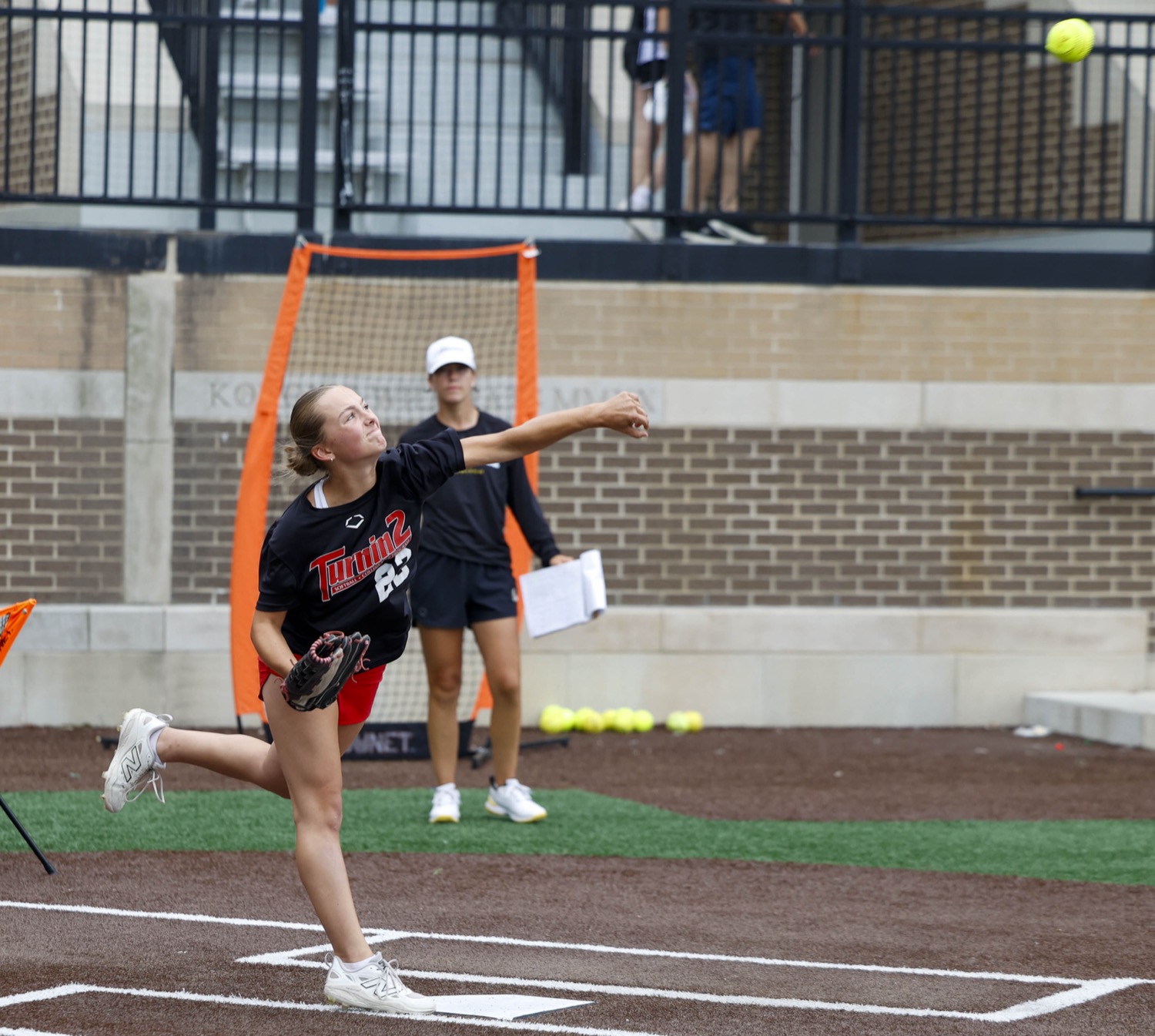
Athletes throw while moving — so we train it that way.
Pattern Before Power
One of the most important principles of High Level Throwing® is that baseball and softball athletes need to understand the movement pattern before they are asked to maximize the output.
We call this patterning before throwing.
An athlete who simply tries to throw harder without understanding the sequence may rely on compensation.
An athlete who learns the movement first can gradually add speed, intent and distance while maintaining an efficient pathway.
This is why we often tell athletes:
Build the pattern. Then build the power.
Throwing With Intent
Eventually, mechanics have to become athletic. Throwing isn’t performed in slow motion during a game. Athletes have to react, move, compete and throw with intent.
HLT uses controlled movement and progressive throwing environments to help athletes take what they have learned and apply it with increasing speed and intent.
From Breakdown to Full Throw
The High Level Throwing® Breakdown allows a complex movement to become easier to understand.
Instead of telling an athlete, “Just throw harder,” we can identify where the movement begins and how each part contributes.
- Where are the feet?
- How is the athlete creating ground force?
- What are the hips doing?
- How is the femur moving?
- When does rotation occur?
- Is the trunk contributing?
- How is the scapula moving?
- What is the arm pathway?
- What is happening with the glove side?
- Where is the release?
- How is the athlete following through?
These questions allow baseball and softball coaches and athletes to look at throwing differently.

Every athlete gets their own breakdown and High Level Throwing® Score.
Building Better Throwing Athletes
High Level Throwing® was built around the idea that throwing can be taught in a way that makes a complicated movement easier to understand.
Austin Wasserman’s approach to breaking down the throw allows athletes and coaches to see the individual components while understanding how those components ultimately connect.
We currently offer online assessments for baseball and softball athletes to see what they need to work on. And coming soon, we will have an even easier way to assess your athlete or your athletes’ throwing patterns from anywhere.
Get your athlete’s video assessment →
High Level Throwing®
Building Better Throwing Athletes.