

When we talk about throwing development in baseball and softball, we often talk about the arm.
Arm strength. Arm care. Arm speed. Arm pathway. But the arm does not work by itself.
One of the most important pieces of an efficient throwing sequence is the scapula, or shoulder blade. The scapula provides the foundation from which the throwing arm can move, accelerate, decelerate, and recover.
At High Level Throwing®, we believe that developing better throwers starts with developing better movement patterns. That means understanding how the entire body contributes to the throw — and the scapula is a major part of that conversation.
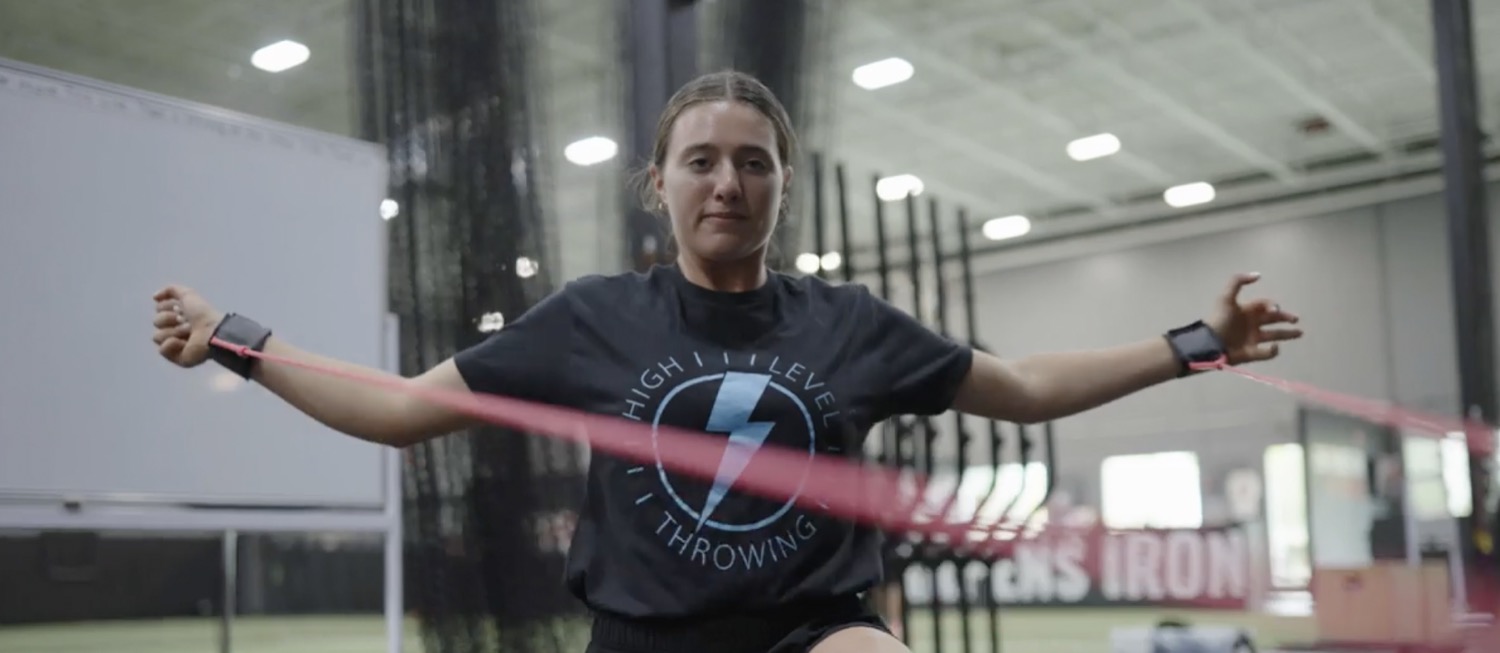
The arm moves from a platform. That platform is the scapula.
What Is the Scapula?
The scapula is the shoulder blade. It sits on the back of the rib cage and serves as an important connection between the trunk and the upper extremity.
Unlike a traditional joint that simply moves through a predictable range of motion, the scapula is designed to move with the rib cage and coordinate with the shoulder.
During an overhand throw, the scapula must move, stabilize, and reposition itself throughout the throwing sequence.
That matters because the shoulder and arm rely on the scapula to provide a stable and mobile foundation.
A healthy throwing motion requires both. The scapula must be able to move when it needs to move, and provide stability when stability is required.
The Scapula Is Part of the Throwing Sequence
At High Level Throwing, we talk extensively about sequencing and the arm pathway. The throw is not one isolated movement. It is a sequence.
The lower body begins contributing to the movement. The hips and trunk rotate. The scapula and shoulder complex respond to the movement of the body. The arm then works through its pathway before releasing the ball and continuing into the follow-through.
The goal is not to force individual body parts into positions. The goal is to develop an efficient sequence in which the body works together.
This is one reason we don’t view throwing development as simply teaching a collection of throwing drills.
We are developing throwing athletes.
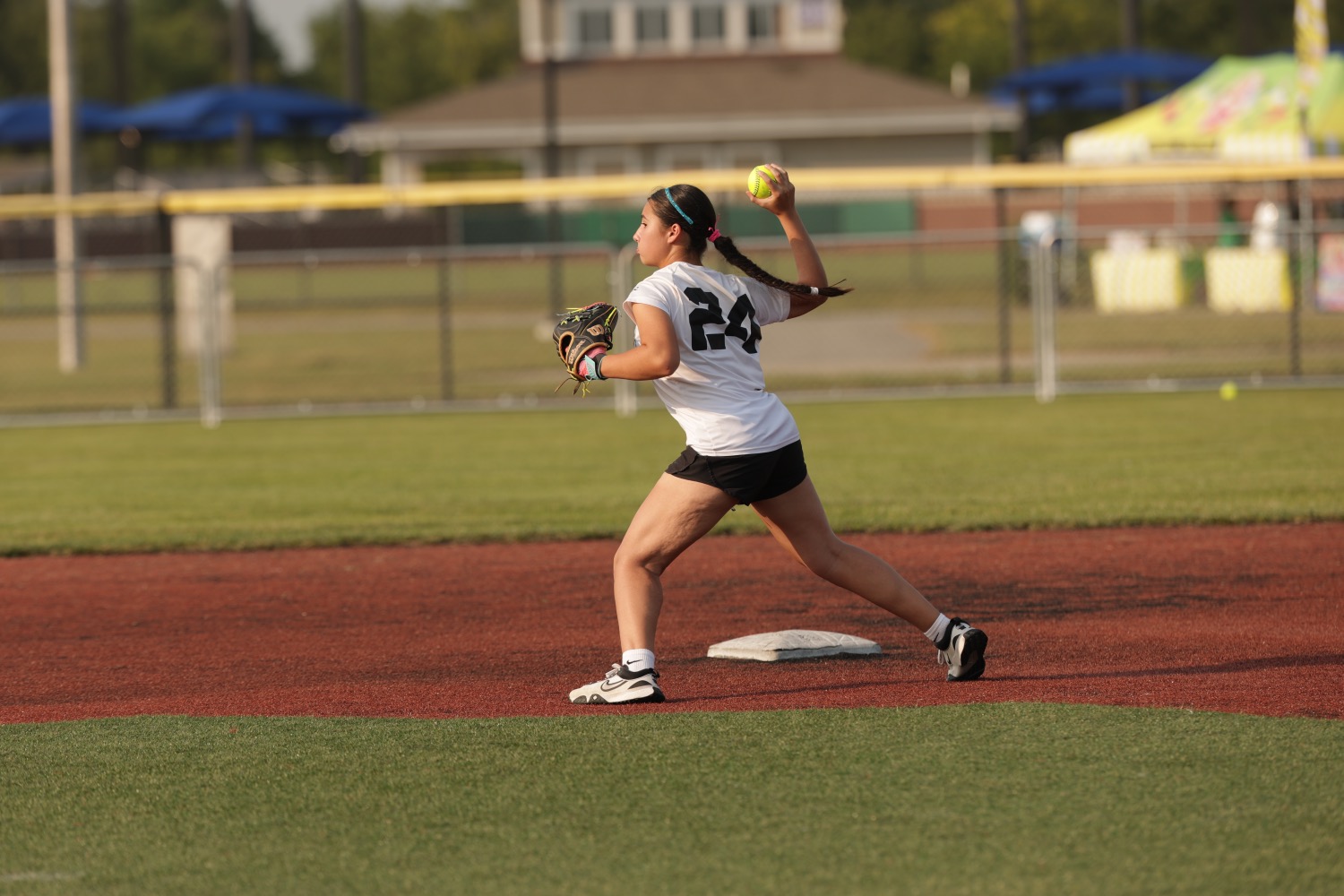
The scapula responds to the body, not the other way round.
Why Scapular Movement Matters
The scapula helps position the shoulder and provides an important platform for the muscles surrounding the shoulder to work effectively.
If an athlete has poor scapular control or poor movement awareness, the throwing arm may have to compensate.
That compensation can show up in different ways:
- An inefficient arm pathway
- Poor positioning of the throwing arm
- Difficulty creating separation
- Poor control of the upper body
- Excessive tension
- Difficulty getting into an efficient throwing position
- Increased stress on other parts of the throwing system
This doesn’t mean that every throwing problem is a “scapula problem.” Throwing is far too complex to reduce it to one body part.
Instead, the scapula should be viewed as one important piece of a much larger movement system.
Why the Scap Pull Is So Important in HLT
One of the foundational movements we teach in the High Level Throwing program is the scap pull.
We consider the scap pull one of the most important movements in our system because it helps baseball and softball athletes develop awareness and control of the scapula.
But the goal isn’t simply to teach an athlete how to perform a scap pull. The bigger goal is to help the athlete understand how the scapula contributes to throwing.
This is an important distinction.
We don’t want athletes simply memorizing movements. We want them developing the ability to feel, control, and reproduce efficient movement patterns.
The scap pull becomes a tool for developing that foundation.
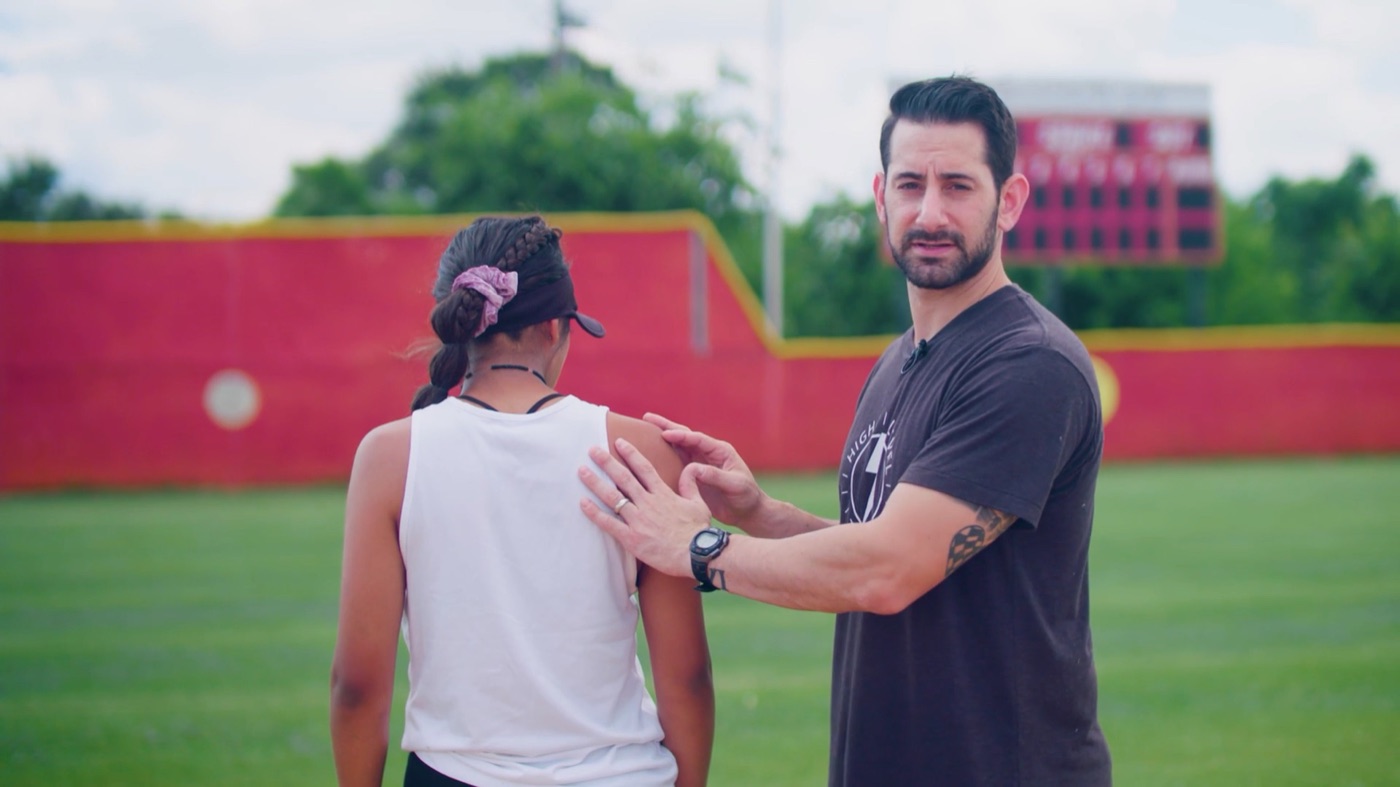
Teaching the athlete to feel the shoulder blade, not just copy a shape.
Mobility and Stability Must Work Together
Throwing requires an incredible combination of mobility and stability.
The scapula needs enough mobility to move through the throwing sequence, while the surrounding musculature must provide the appropriate amount of control.
Too much restriction can limit movement. Poor control can make movement inefficient.
The answer isn’t simply “more mobility” or “more stability.”
The answer is appropriate movement at the appropriate time.
That is the foundation of good sequencing.
The Scapula and the Arm Pathway
At HLT, we spend a great deal of time teaching athletes about the arm pathway.
We want athletes to understand where the arm travels and, more importantly, how the arm gets there.
The scapula plays a role in that process.
When the scapula and trunk are working efficiently, the throwing arm can move through its pathway as part of the larger throwing sequence.
When athletes try to manufacture the arm movement independently, they can develop compensations.
This is why we are careful about teaching isolated drills that create a movement pattern that later has to be completely retaught.
The body needs to learn the relationship between movements, not just the movement itself.
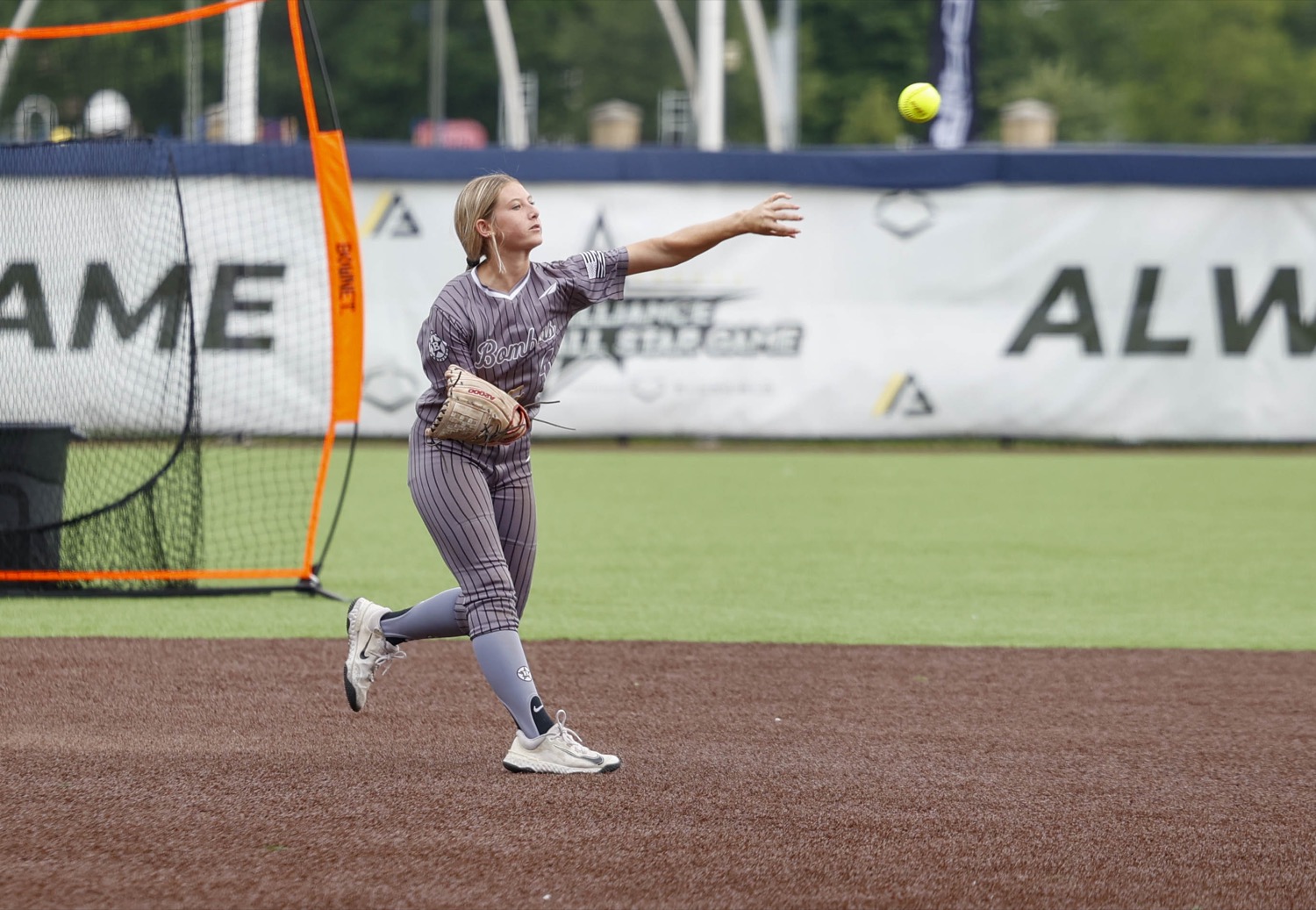
Where the arm travels, and how it got there.
The Scapula, Glove Side and Trunk
Throwing is a coordinated movement involving both sides of the body.
The glove side, trunk, hips, and throwing arm all contribute to the sequence.
The scapula is part of that coordination.
As the athlete moves through the throw, the trunk rotates and the upper body organizes around that rotation. The scapula must respond to those changes while helping position and support the throwing arm.
This is another reason we emphasize whole-body movement rather than treating the arm as an independent mechanism.
The arm doesn’t create the throw by itself. The body creates an environment in which the arm can throw efficiently.
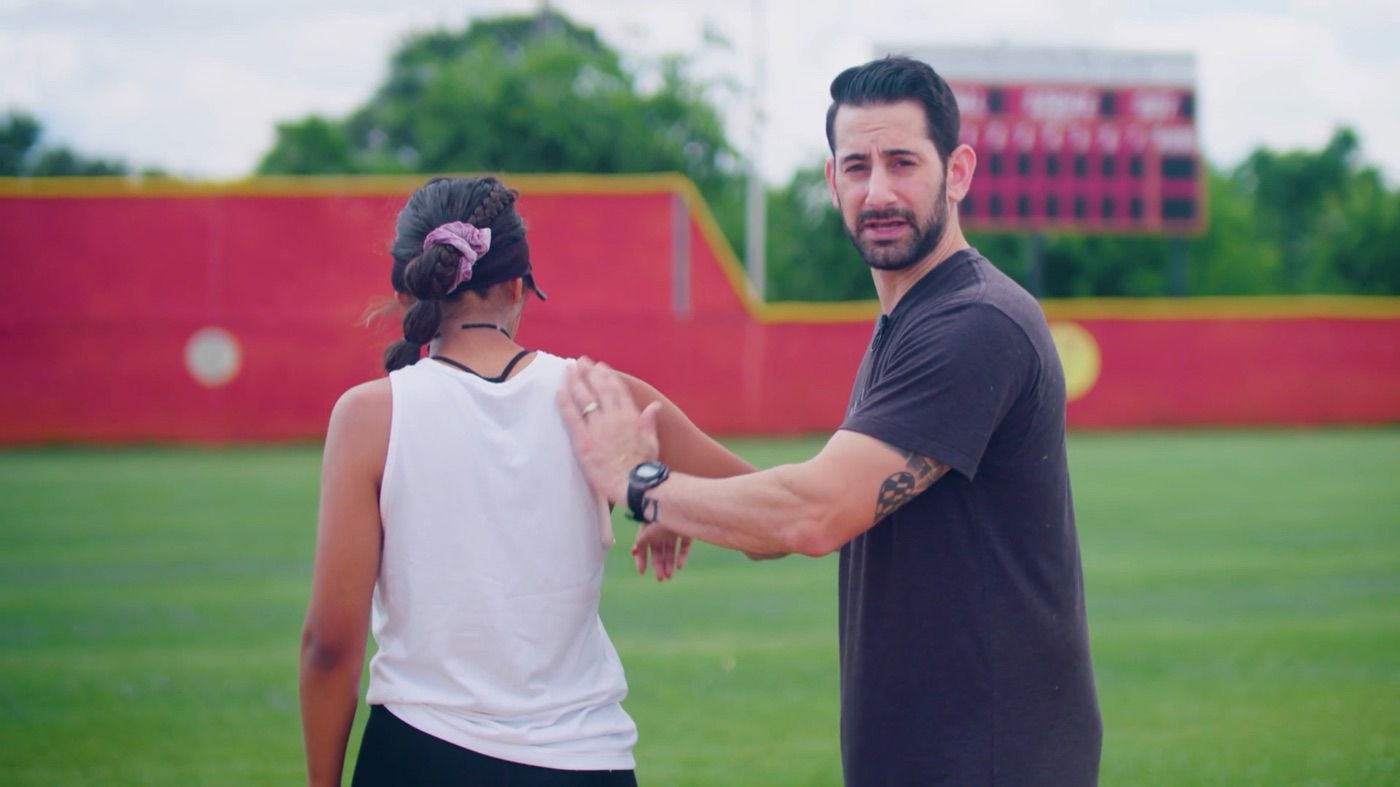
Both sides of the body build the throw.
Developing the Throwing Athlete
This is at the heart of the High Level Throwing philosophy.
We want to develop baseball and softball athletes who understand how to move.
That includes:
- Scapular control
- Lower-body movement
- Hip and femur movement
- Trunk rotation
- Arm pathways
- Glove-side organization
- Efficient sequencing
- Follow-through
- Arm care
- Throwing with intent
Each piece has a purpose. But the ultimate goal is how those pieces connect.
That connection is what creates an efficient throwing pattern.
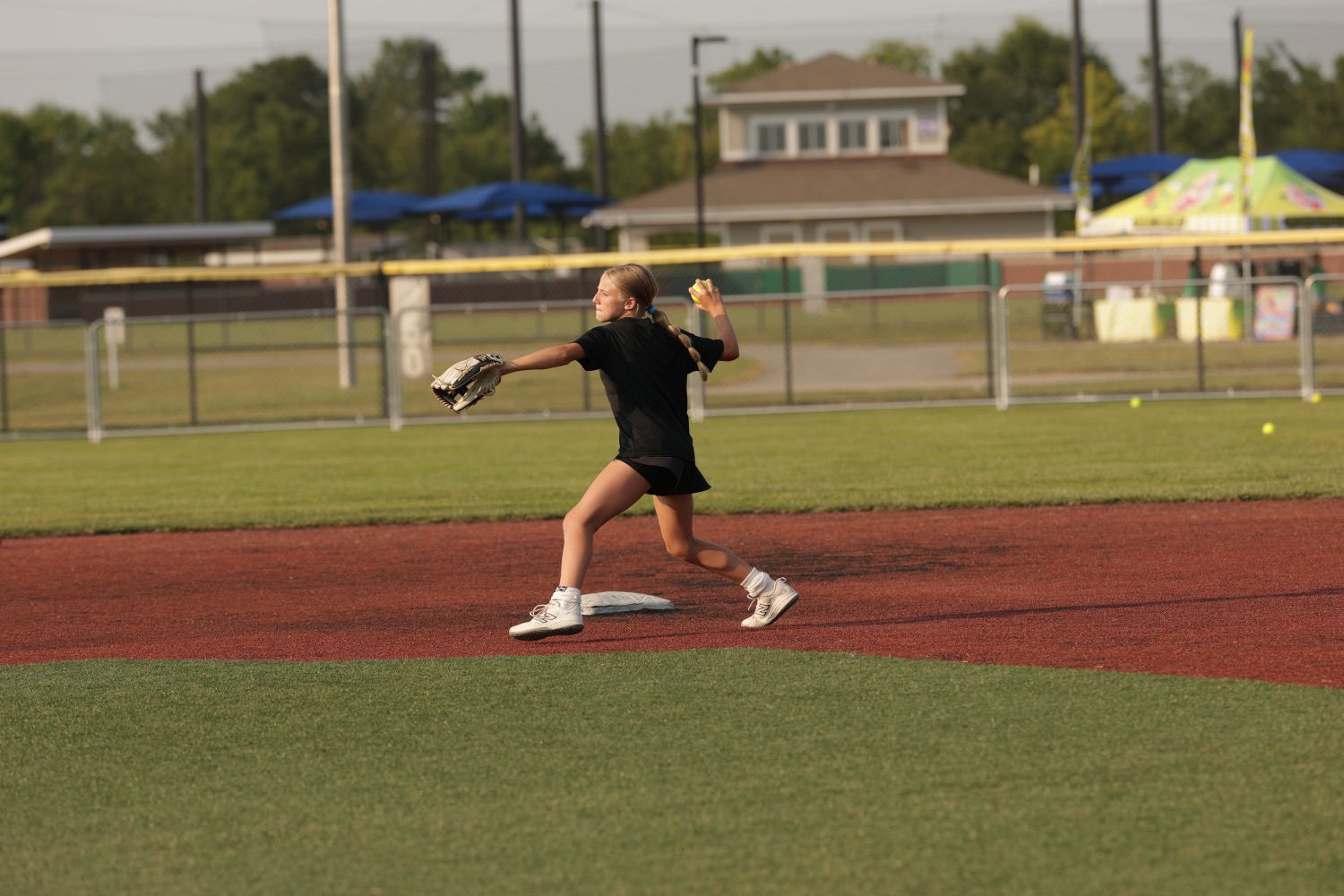
Build the pieces. Then build the connection.
Read more in the High Level Throwing® books →
Get your athlete’s video assessment →
High Level Throwing®
Building Better Throwing Athletes.