

Why Every College Program, Booster Club, and Travel Organization Should Invest in Throwing Development
We budget for uniforms. We budget for tournament fees. We budget for equipment, travel, strength training, hitting, pitching, facilities and coaching.
But there is one area that is often treated as an extra:
Throwing development.
It shouldn’t be. Throwing is one of the most important physical skills in baseball and softball. Every position requires it. Every athlete uses it. And for many athletes, the ability to throw efficiently, consistently and with intent can directly impact how they perform on the field.
Yet throwing development is often something teams address only when there is a problem.
It’s time to change that mindset.
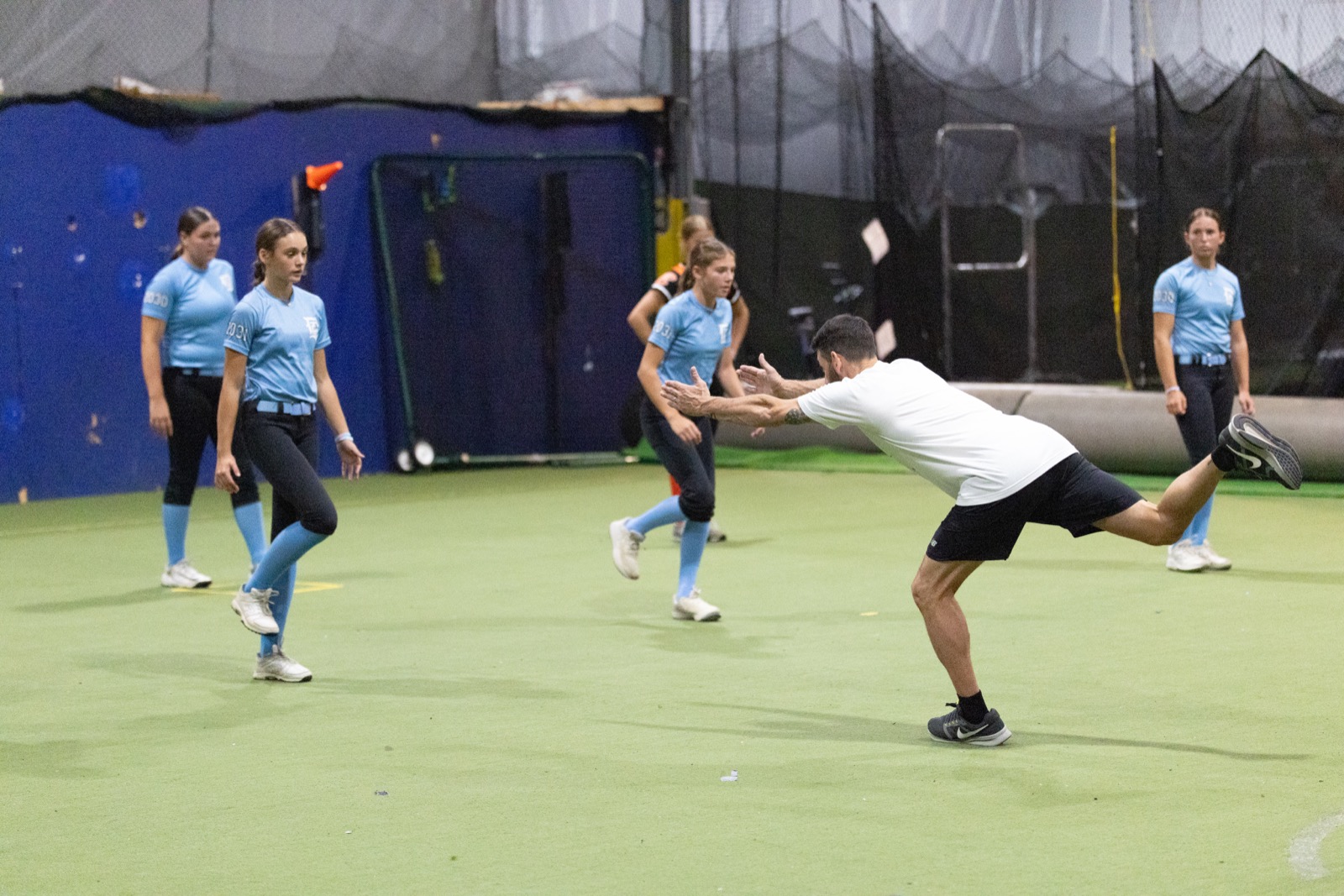
Development happens on purpose — not by accident.
Throwing Development Is Athlete Development
Throwing isn’t simply something athletes “pick up” by playing more games.
Playing is important. Practice is important. But athletes also need intentional opportunities to develop the movement patterns, sequencing, strength, mobility, coordination and throwing mechanics that allow them to become better throwers.
At High Level Throwing®, we believe athletes should build the throw before simply adding more throws.
That means developing the entire movement:
- The lower half
- Hips and rotation
- Arm pathways
- Scapular movement
- Glove-side action
- Footwork
- Sequencing
- Efficient movement patterns
- Intent
- Follow-through
- Arm care
These pieces don’t happen by accident. They are developed.
And when throwing development is consistently built into an athlete’s training, it becomes part of the athlete — not an occasional clinic they attend when someone realizes they need help.

Every position throws. Every throw is a skill that can be developed.
Make Throwing Development a Budget Item
For college programs and booster clubs, this can be as simple as creating a dedicated Throwing Development Budget each year.
Instead of asking:
“Can we afford to bring someone in for throwing?”
The question becomes:
“How much are we investing in developing our athletes’ throwing?”
That small shift in thinking can make a significant difference.
A program might allocate money toward one or two dedicated throwing development clinics each year. A booster club could specifically fund throwing development for the team — we already have many organizations, schools and teams doing this. A travel organization could create a throwing-development line item within its annual player fees.
These aren’t necessarily additional expenses. They’re a different way of prioritizing money that is already being spent on athlete development.
Travel Organizations: Build It Into the Fees
Travel softball and baseball families already invest significantly in their athletes. Tournament fees. Uniforms. Coaching. Facilities. Travel. Hotels. Equipment. Strength and conditioning.
Instead of asking families for another check every time a development opportunity comes up, organizations can plan ahead.
For example, a travel organization could include a small amount in every athlete’s annual or seasonal fee specifically designated for throwing development. That money can then be set aside throughout the season. When the schedule allows, the organization can bring in HLT for a clinic.
One or two clinics a year can create a consistent developmental opportunity without requiring a last-minute financial decision.
And importantly, it doesn’t have to interfere with the team’s tournament schedule. Put it on the calendar when the team has more down time. Make it part of the program. Make it mandatory.
The same philosophy can work at the college level. A booster club doesn’t have to fund another piece of equipment that sits in a storage room. It can fund something the athletes actually use every day they play: their ability to throw.

Development is a plan, not a reaction.
College Programs: This Should Be Part of the Development Plan
College athletes are already at a high level. That doesn’t mean they are finished developing.
In fact, the higher the level, the more important it becomes to refine movement, efficiency and consistency.
A college program can schedule dedicated throwing-development sessions throughout the year just as it schedules strength and conditioning, hitting, pitching, defensive work and other specialized training.
And this doesn’t mean taking athletes away from their normal practice. It means finding strategic times during the year to bring additional expertise into the program:
- Preseason
- Fall ball
- Winter development
- Spring preparation
- Summer development
The goal isn’t simply to throw more. The goal is to throw better.
Don’t Wait Until There Is a Problem
One of the biggest mistakes programs can make is waiting until an athlete has a throwing problem before addressing throwing development.
Why wait?
Why should an athlete have to experience inconsistent mechanics, decreased velocity, inefficient movement or arm issues before the program decides throwing development deserves attention?
Development should be proactive. The goal is to help athletes build better movement patterns before problems become problems. That is what development is supposed to do.

Proactive beats reactive — every season.
An Investment That Reaches Every Position
One of the most compelling reasons to invest in throwing development is that it isn’t limited to one position.
Pitchers throw. Catchers throw. Infielders throw. Outfielders throw. Utility players throw. Everybody throws.
And everybody doesn’t necessarily throw the same way.
That’s why throwing development should not be treated as simply another pitching session. High Level Throwing® focuses on developing the athlete’s overall throwing ability and helping athletes understand how their body creates an efficient throw.
Different positions may require different footwork, different timing and different throwing demands — but the foundation of efficient movement remains important.
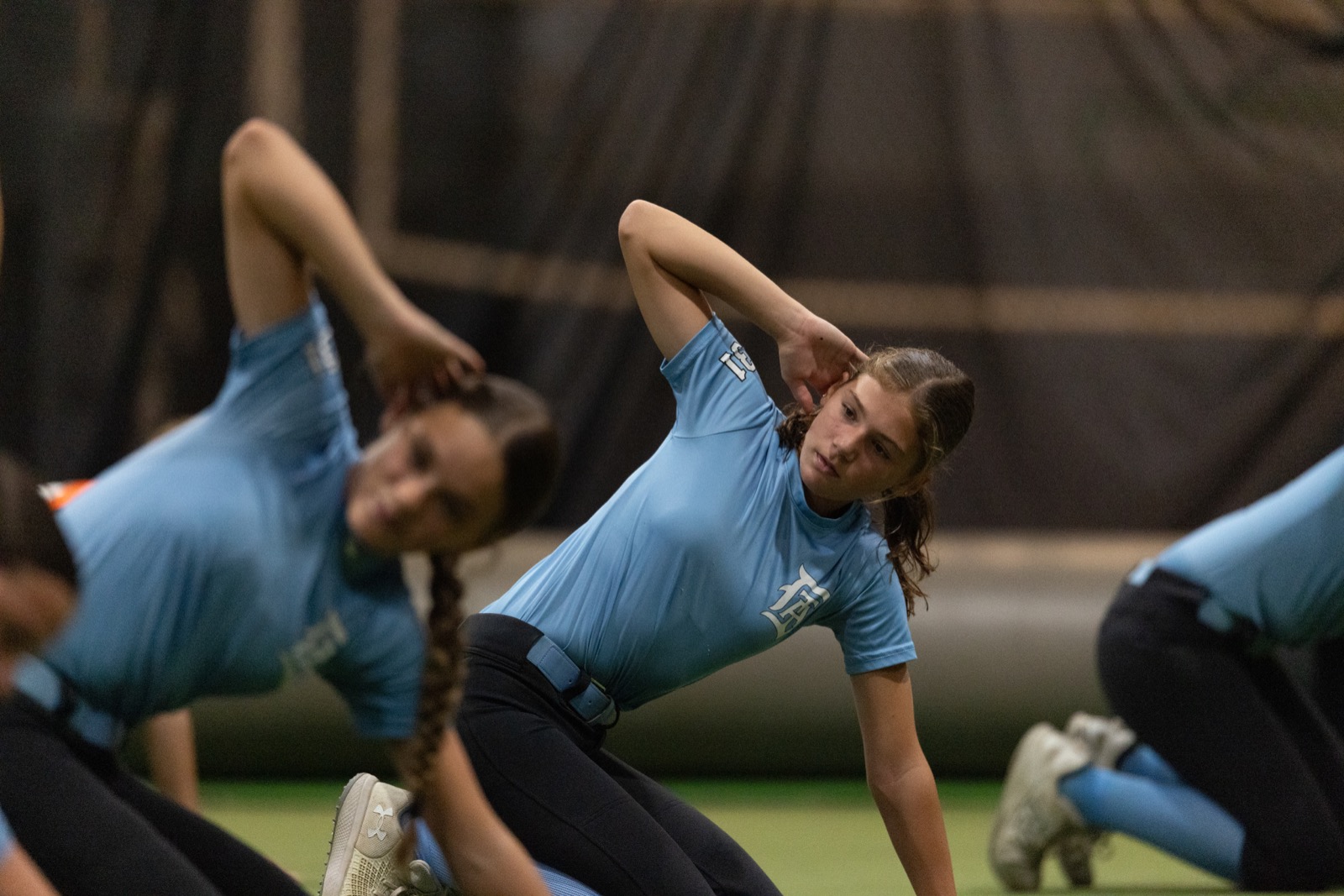
Arm care and arm pathway work belong in the plan, not the panic.
Development Shouldn’t Be an Extra
We need to stop treating throwing development like an optional add-on. It is a fundamental athletic skill.
The question isn’t whether athletes are going to throw. They are.
The question is whether we’re going to intentionally develop how they throw.
At High Level Throwing®, our mission is simple: Build better throwing athletes.
That starts with recognizing that throwing deserves the same intentional investment we make in every other important part of athlete development.
So to every booster club, college coach, athletic department, travel organization and team director:
- Look at your budget.
- Find a place for throwing development.
- Set the money aside.
- Bring in HLT.
- Give your athletes the opportunity to develop.
Because throwing shouldn’t be something you get around to when you have time. It should be part of the plan.
Bring a High Level Throwing® clinic to your program →
High Level Throwing®
Building Better Throwing Athletes.