

At High Level Throwing®, we care deeply about baseball and softball athletes — and we care about keeping them throwing, competing, developing, and enjoying the game for as long as possible.
That is why arm care matters. But arm care is often misunderstood.
Arm care is not simply doing a few band exercises after practice. It isn’t only stretching the shoulder, icing an arm, or doing a handful of exercises when an athlete says something feels tight.
Arm care is a process.
It begins with coaches developing their athletes to understand how to move, how to sequence their body, how to create an efficient throwing pathway and how to prepare their body to throw.
Arm care is what surrounds the throw, not what follows it.
The Arm Doesn’t Throw Alone
One of the most important principles we teach at High Level Throwing® is that throwing is a full-body movement. The arm is part of the throwing system, but it doesn’t do everything.
Efficient throwing requires the body to work in sequence:
- The lower half helps create movement
- The hips and femur contribute to rotation
- The trunk transfers energy
- The scapula and shoulder work together
- The arm unravels
- The follow-through
When that sequence is efficient, the arm doesn’t have to constantly compensate for what the rest of the body isn’t doing.
That is why we don’t separate throwing development from arm care.
Better movement is part of arm care.
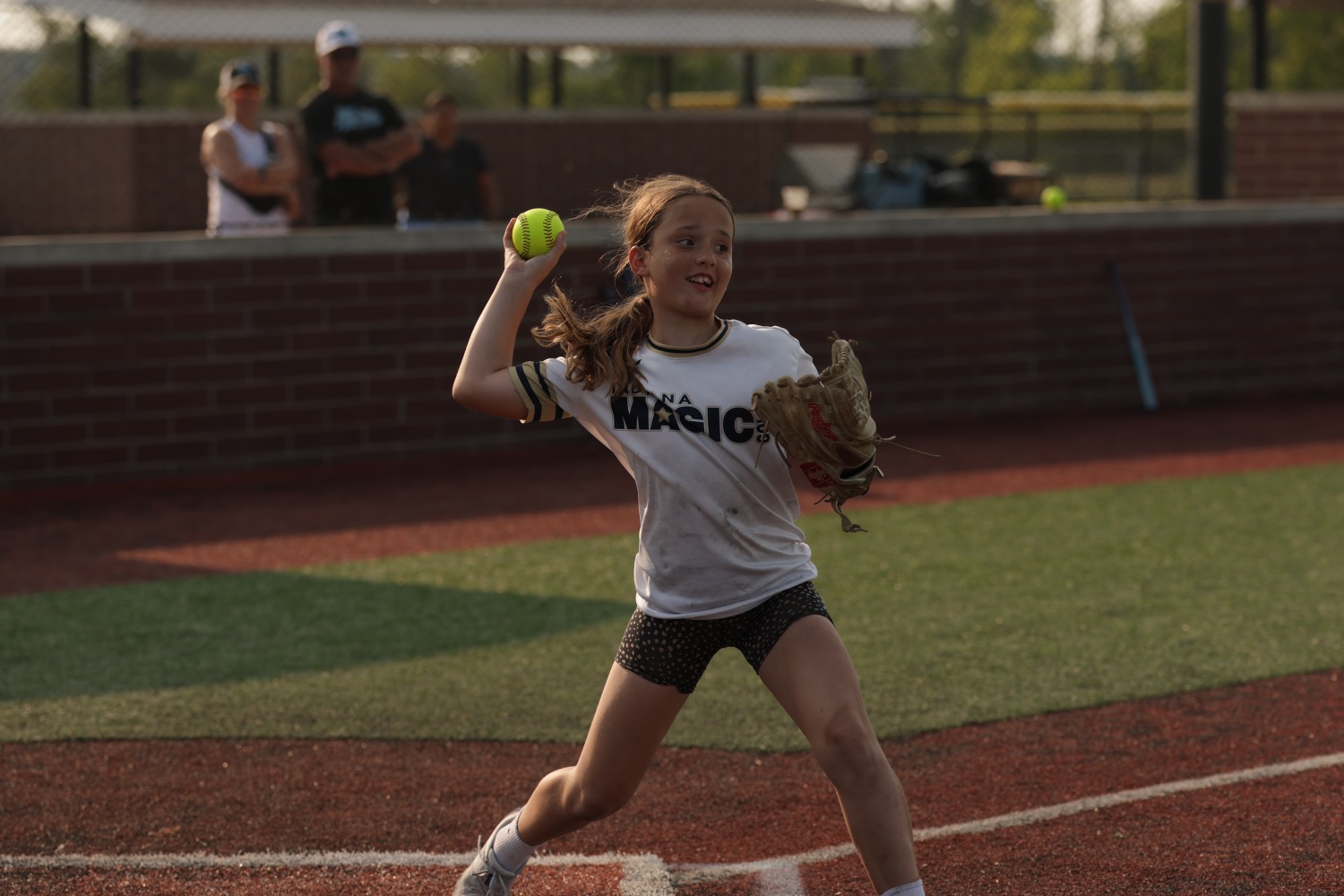
When the body contributes, the arm stops compensating.
What Does Arm Care Actually Mean?
At High Level Throwing®, arm care means preparing the athlete to throw, teaching the athlete to move efficiently, and helping the athlete recover from the demands of throwing.
It includes:
- Proper warm-up and preparation
- Scapular movement and control
- Shoulder and arm mobility
- Rotational movement
- Lower-body movement
- Efficient arm pathways
- Proper sequencing
- Appropriate throwing volume
- Recovery between throwing sessions
- Strength and stability
- Intentional throwing
- Understanding when the body needs additional recovery
Arm care is not one exercise. It is the combination of how an athlete prepares, moves, throws, recovers, and progresses.
Arm Care Starts Before the Ball Leaves the Hand
A common mistake is to think arm care begins after throwing.
At High Level Throwing®, we believe it begins before the first throw.
An athlete should prepare their body to move through the demands of throwing.
That is why our warm-ups and pre-throw movements are so important. We want athletes to establish movement patterns, prepare the scapula, create appropriate rotation, activate the lower half, and progressively prepare the body before asking it to throw with intent.
The goal isn’t simply to get the arm “loose.” The goal is to get the entire athlete ready to throw.
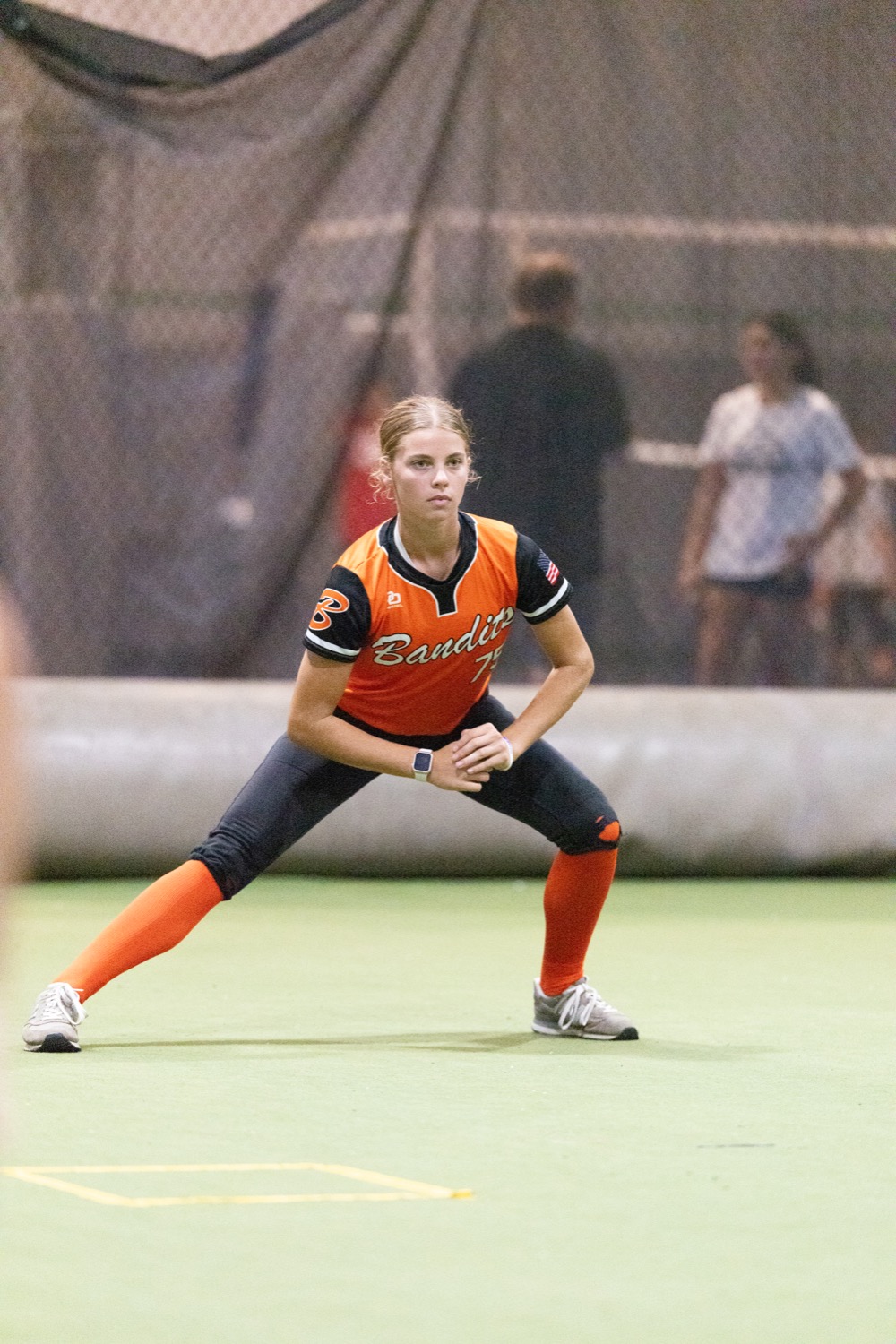
Prepare the athlete, not just the arm.
Efficient Throwing Is Part of Arm Care
This is one of the biggest distinctions between HLT and a collection of random throwing drills.
We aren’t interested in teaching coaches and athletes hundreds of disconnected movements.
We develop throwing athletes.
That means teaching the athlete how movements connect.
We look at the arm pathway, sequencing, lower-half contribution, hip to trunk movement, arm action, glove-side organization, release point, and follow-through as parts of one coordinated throwing pattern.
When athletes repeatedly practice inefficient patterns, those patterns can become what their body relies on when throwing at full speed.
That is why how you train matters.
Arm care isn’t just about strengthening the arm after the fact. It’s also about helping the athlete develop a throwing pattern that doesn’t unnecessarily place the arm in a position where it has to constantly compensate.
Arm Care Is Also About Managing Throwing
Even an athlete with excellent mechanics needs appropriate workload management.
Baseball and softball athletes throw frequently. Practices, games, showcases, tournaments, warm-ups, position-specific throws, long toss, pitching, and additional training can all add up.
Arm care means paying attention to the total demand being placed on the athlete.
That means understanding:
- How much are they throwing?
- How often are they throwing?
- How hard are they throwing?
- How are they recovering?
- What does their body feel like?
- Are they prepared for the demands being placed on them?
Arm care is not about avoiding throwing. It’s about preparing the athlete to handle throwing.
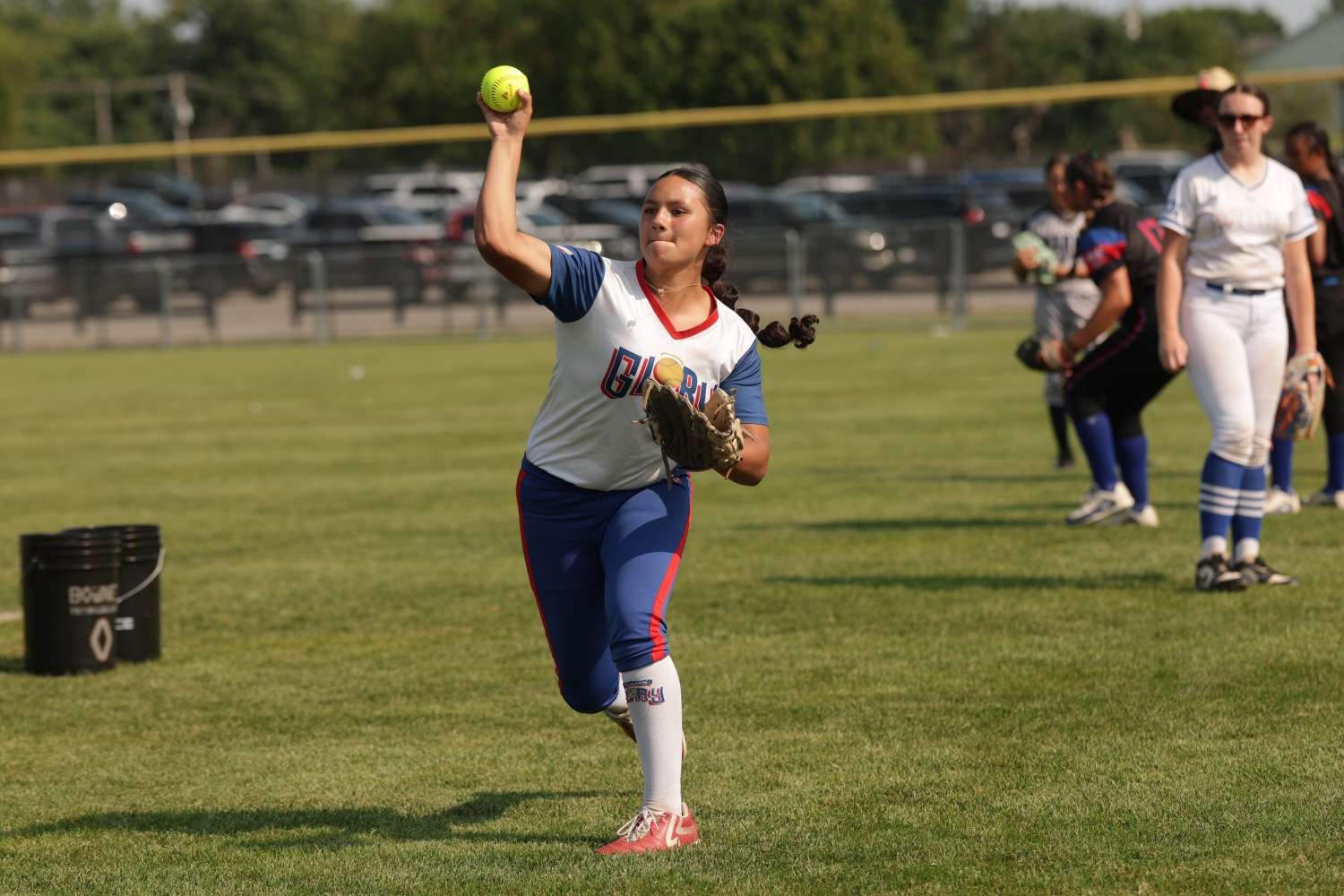
Total workload is the number nobody counts.
Arm Care Should Be Used During Development, Not Just to Repair
Coaches and parents — we don’t want athletes thinking about arm care only when their arm hurts. We want it to become part of their routine.
- Warm up.
- Move.
- Throw.
- Recover.
- Strengthen.
- Develop.
- Then do it again.
The goal is to build habits that support an athlete throughout their development — not simply react when something goes wrong.
That is why our High Level Throwing® tools, including our Lightning Balls (Plyos) and HLT Bands, are incorporated into a larger system of throwing development.
The tools are there to help the athlete develop the movement qualities that support throwing.
We Care About the Athlete Behind the Throw
At High Level Throwing®, we aren’t just trying to add miles per hour to a radar gun.
We care about our athletes. We care about the young softball player learning how to throw for the first time.
We care about the baseball player trying to make the next team.
We care about the athlete returning from a long season.
We care about the player who wants to keep playing in high school, college, or beyond.
And we care about helping athletes understand that taking care of their arm isn’t something they do because they’re afraid of getting hurt.
It’s something they do because their arm is an important part of their athletic development.
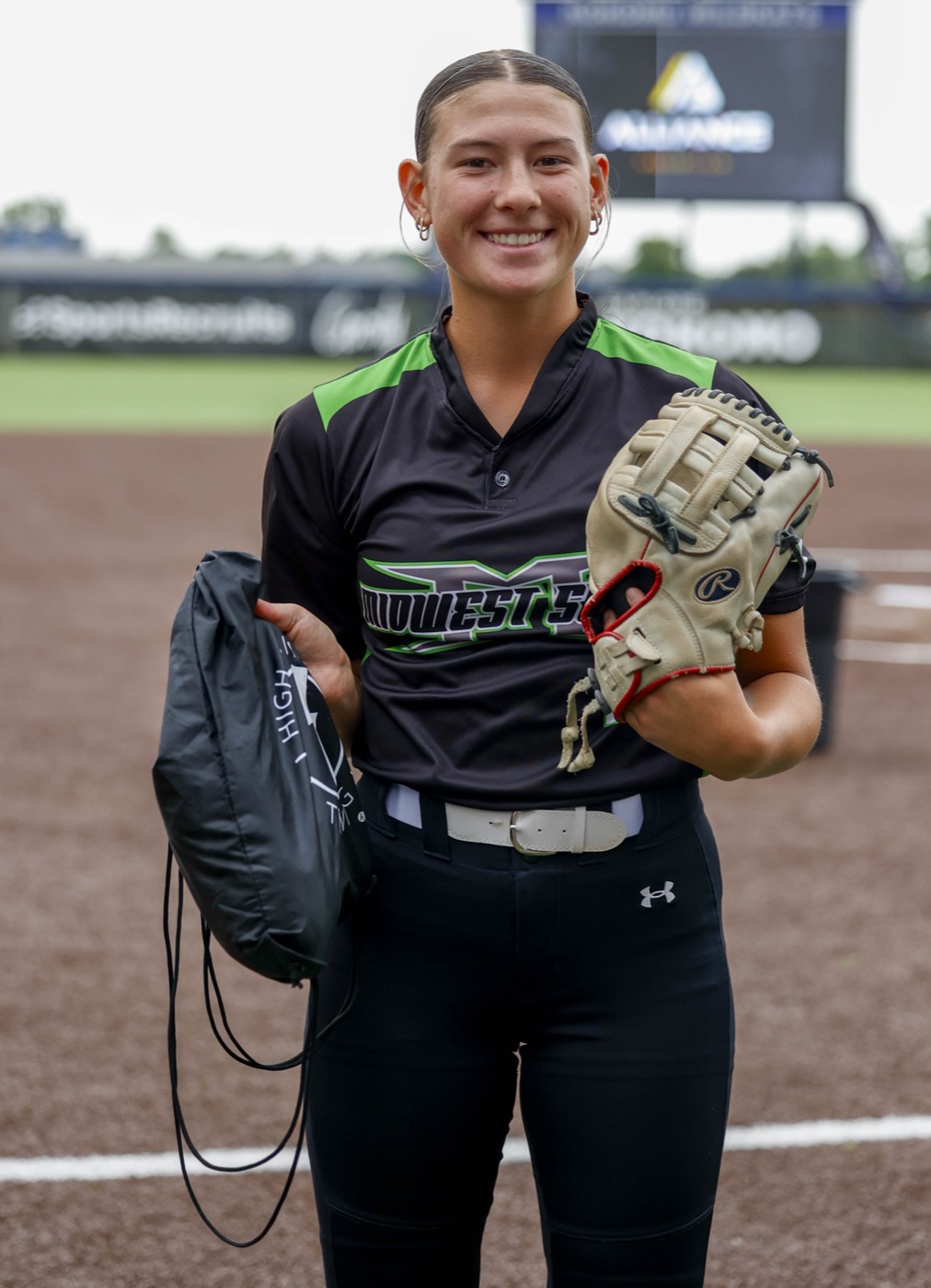
The athlete behind the throw.
Get your athlete’s video assessment →
High Level Throwing®
Building Better Throwing Athletes.