
If you want to become a better thrower, the first question should not be, “How hard can I throw?” or “What throwing drills should I do?”
The better question is: Where does my throwing development begin?
At High Level Throwing® (HLT), we believe throwing development starts with understanding how the body moves, how the different parts of the body work together, and how an efficient throwing sequence is developed. Before focusing on throwing harder, baseball and softball athletes need to build the movement patterns that support an efficient, powerful, and repeatable throw. Our online books are great resources for all ages.
Throwing is not simply an arm action. It is a coordinated movement involving the entire body, from the ground up.
Start With the Throwing Athlete, Not Just the Throw
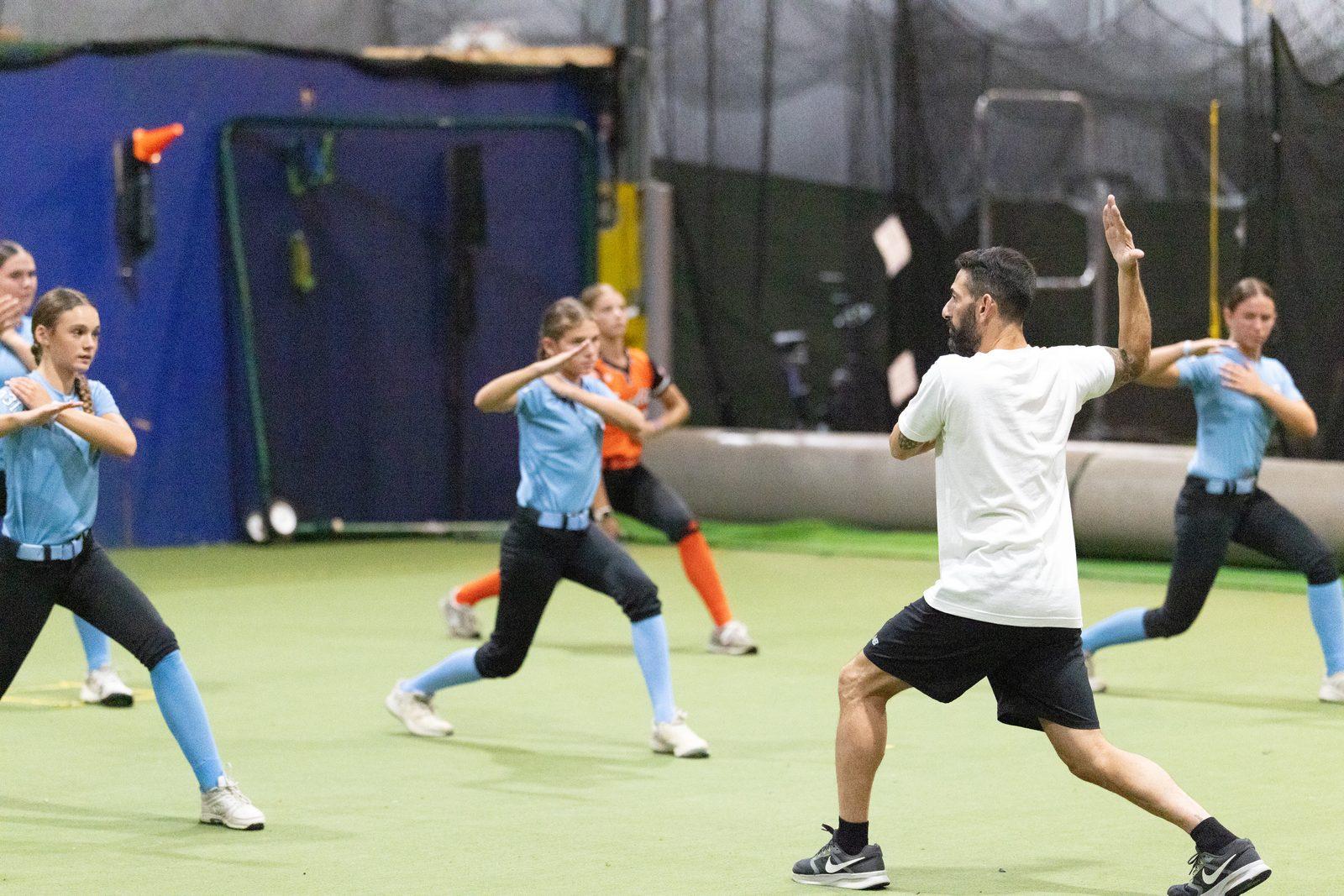
One of the foundational principles of High Level Throwing® is that we develop baseball and softball throwing athletes, not just throwers.
A throwing athlete needs more than arm strength. They need the ability to move efficiently, create rotation, use their lower body, coordinate their movements, and understand how each part of the throwing sequence contributes to the final result.
This is why HLT does not approach throwing development as a collection of unrelated throwing drills. Each movement has a purpose within a larger developmental process.
The goal is to help baseball and softball athletes understand and develop the movement patterns that contribute to an efficient overhand throw.
Begin With Movement and Patterning
Before adding more throwing volume or focusing on velocity, athletes need to learn how to move.
Movement patterning is an important starting point in the HLT approach because athletes need opportunities to develop the positions, transitions, and sequencing involved in throwing.
Rather than immediately asking an athlete to throw harder, we focus on helping them understand the movement.
How does the body rotate? How do the hips and lower body contribute? How does the throwing arm move in relationship to the rest of the body? How do the different parts of the body connect throughout the throw? And more…
These questions help establish the foundation for throwing development.
Patterning allows athletes to work on movement without making every repetition dependent on the demands of a full-speed throw.
Understand the Throw From the Ground Up
An efficient throwing sequence involves the entire body. The lower body, hips, trunk, scapula, and throwing arm all have roles within the movement. These parts cannot be viewed as completely independent pieces of the throw.
At High Level Throwing®, we have an understanding how these components work together rather than focusing exclusively on what the arm does at release.
The lower body contributes to movement and force production. The hips and trunk contribute to rotation. The scapula plays an important role in the movement of the shoulder complex. The throwing arm must function within the larger sequence.
When coaches and athletes understand the relationship between these components, they have a clearer framework for developing their throwing mechanics.
The objective is not to make the throw unnecessarily complicated. It is to break down a complex movement into understandable parts so athletes can learn how those parts fit together.
Develop Rotation and the Lower Body
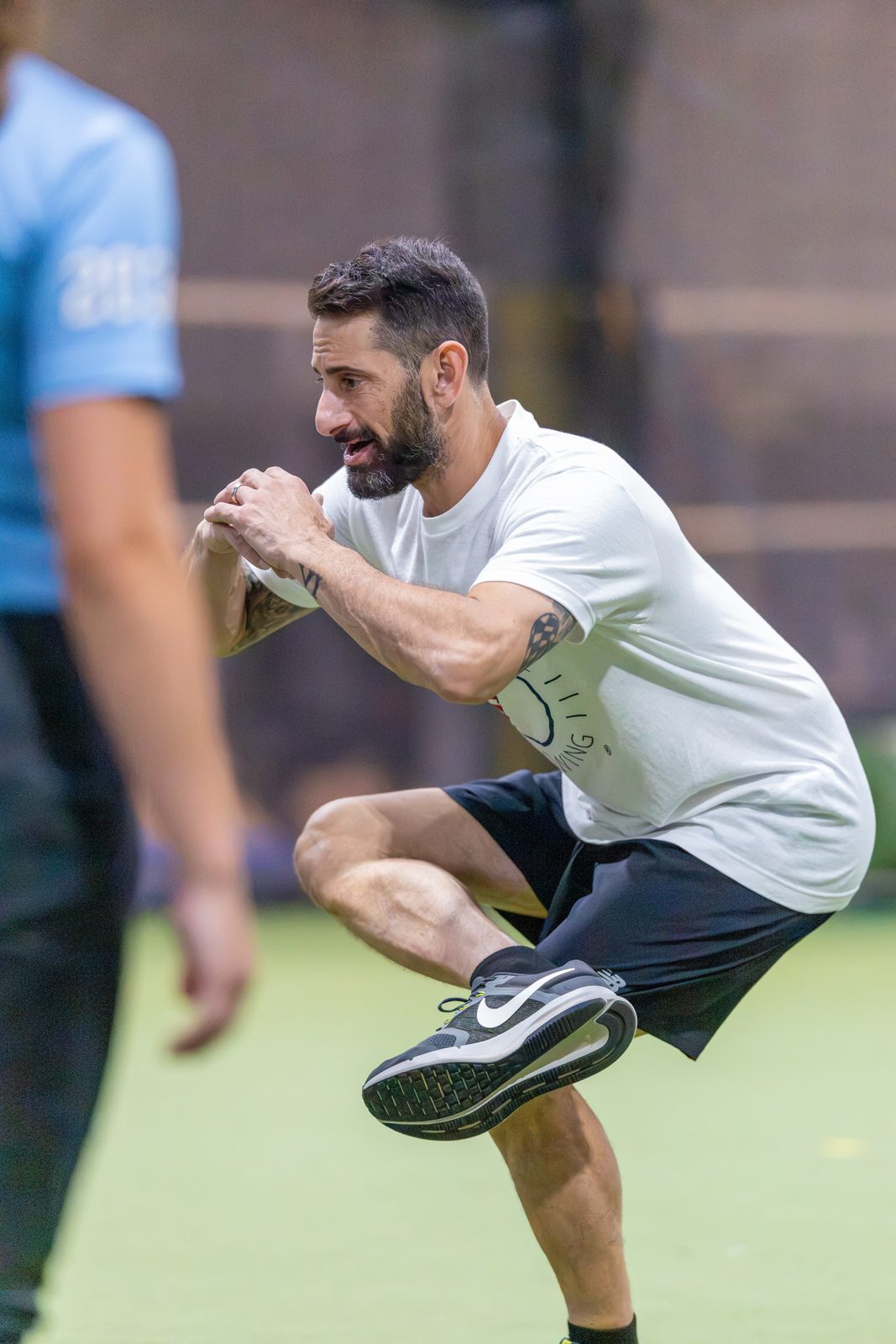
Throwing development should include more than the throwing arm.
The ability to use the lower body and create rotation is an important part of learning to throw. Athletes need opportunities to explore how their hips, trunk, and lower body contribute to the movement.
This is why movement-based work is valuable within the HLT approach.
Baseball and softball athletes can learn to recognize rotational movement, coordinate their lower body with their upper body, and develop a better understanding of how the body moves through the throwing sequence.
These concepts matter for baseball and softball athletes at different stages of development. The starting point is learning the movement, not simply trying to reproduce the result of a high-velocity throw.
Understand the Role of the Scapula and Arm Pathway
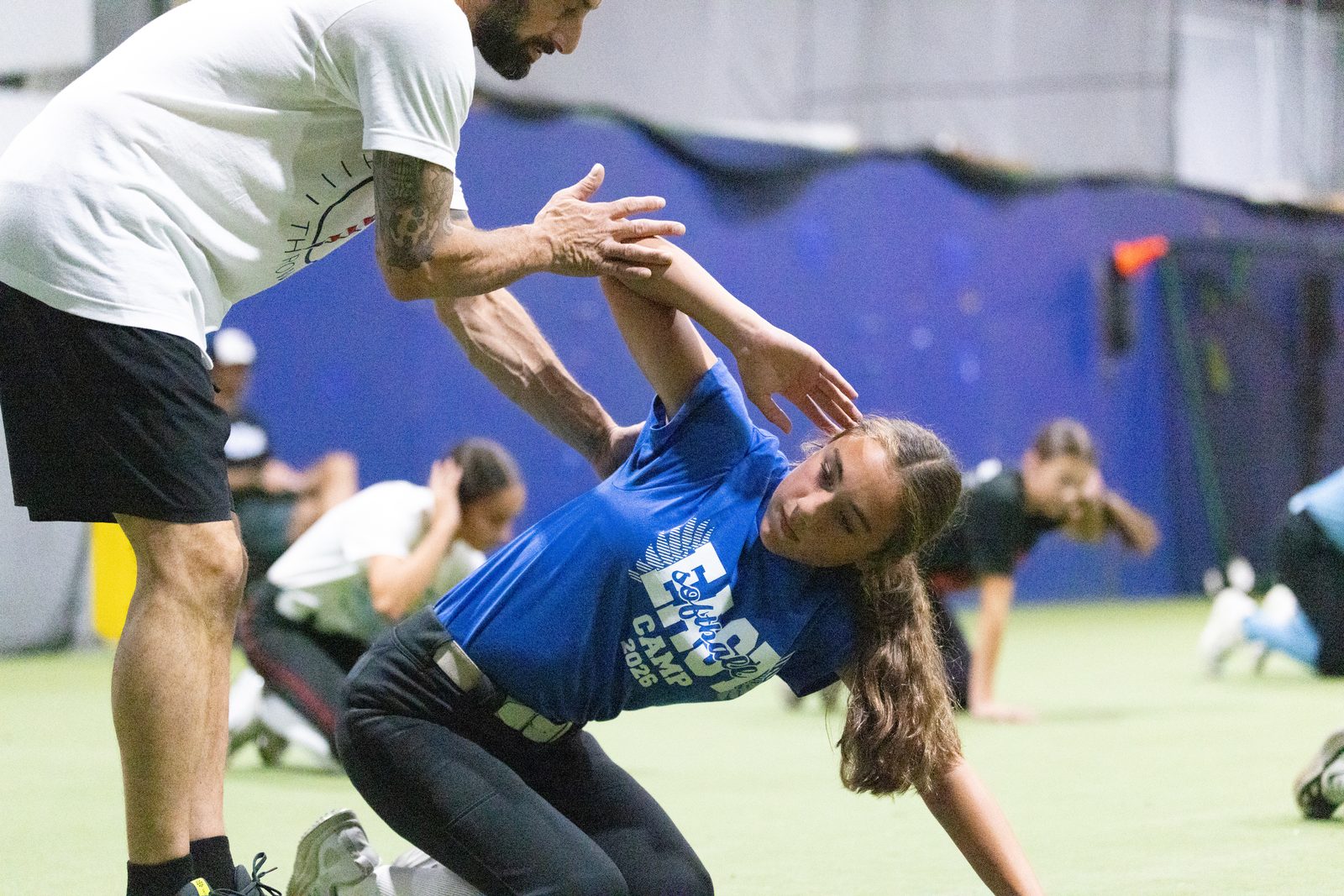
The scapula is a foundational component of the High Level Throwing® approach.
Understanding scapular movement helps athletes and coaches look beyond the hand, elbow, and ball. The throwing arm operates within a larger system, and the scapula is an important part of that system.
Arm pathway is another key consideration.
Instead of treating the arm as an isolated lever, HLT examines how the arm moves within the overall throwing sequence. This provides athletes with a more complete understanding of the throw and gives coaches a framework for identifying areas that may need development.
The goal is not to force every athlete into an identical-looking movement. It is to develop a better understanding of the mechanics and sequencing that contribute to each athlete’s throwing movement. We see different arm action all the time.
Build the Sequence Before Chasing Velocity
Throwing velocity is an important goal for many baseball and softball athletes. However, velocity should not be the only starting point for development.
An athlete may want to throw harder, but the first step is understanding what contributes to the throw.
How is the athlete moving? How is the lower body contributing? Is rotation part of the movement? How do the scapula, arm pathway and glove side fit into the sequence? Can the athlete coordinate the different components of the throw?
These are the kinds of questions that help guide throwing development through the HLT framework.
The focus is on developing the athlete’s movement and understanding of the throw rather than relying on velocity alone as a measure of progress.
Why HLT Uses More Than Traditional Throwing Drills
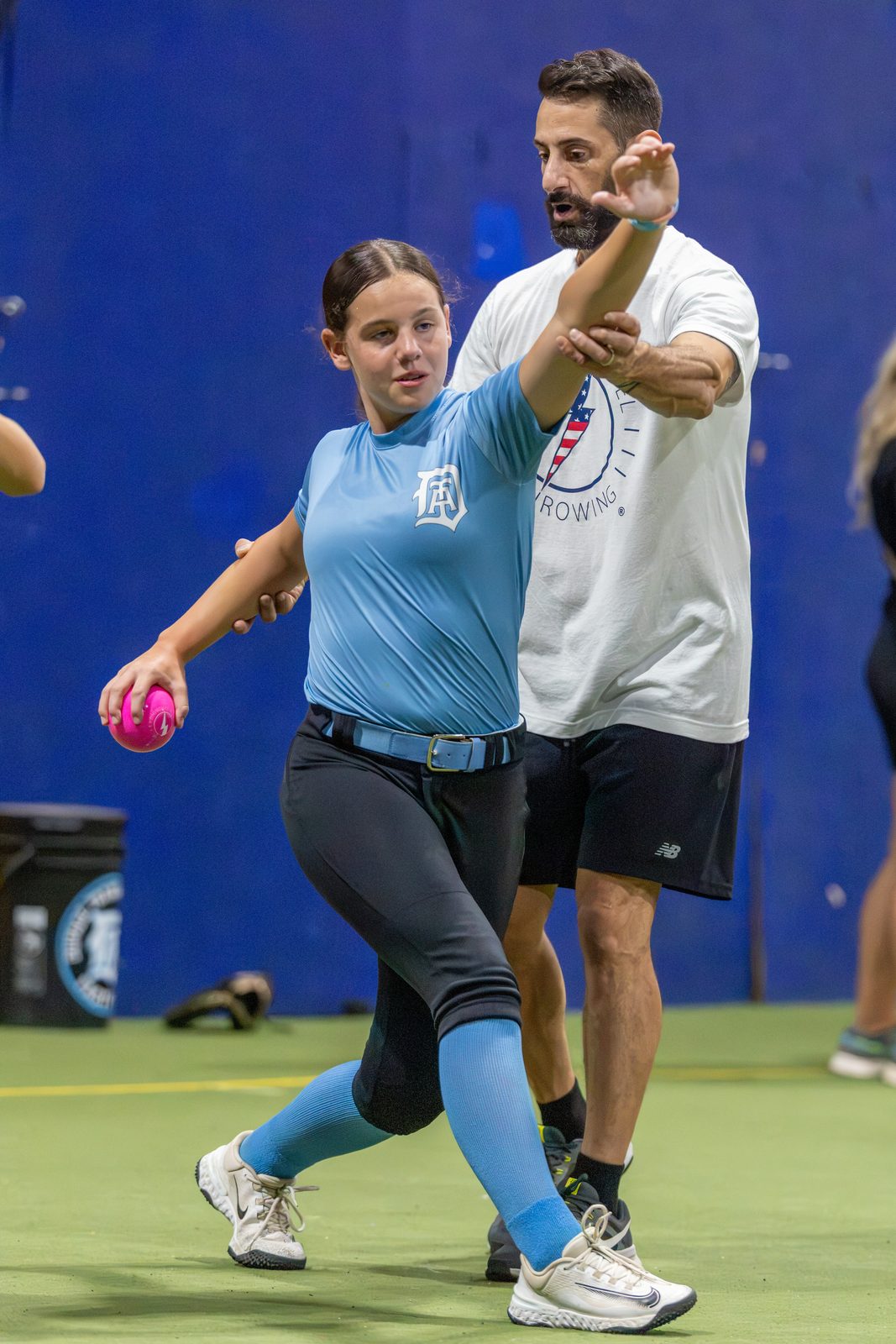
A throwing drill is a tool. It is not the entire development process.
At High Level Throwing®, drills and movement tools are selected to help coaches and athletes work on specific components of the throwing sequence. They provide opportunities to develop movement patterns, explore positions, and improve coordination.
The purpose is not to accumulate drills or perform movements without understanding why they matter. The purpose is to develop the throwing athlete.
This distinction is important because an athlete can perform a drill without fully understanding how the movement relates to throwing. HLT emphasizes the connection between the movement being practiced and the larger throwing sequence.
The objective is to help athletes build a foundation that can continue to develop as they progress through their throwing journey.
Every Athlete Needs a Starting Point
A young athlete beginning to learn how to throw will have different developmental needs from a high school athlete working to improve velocity or a college athlete refining an established throwing pattern.
That is why throwing development should begin by understanding the athlete and the movement in front of you.
There is no reason to rush through foundational concepts simply because an athlete wants to advance to more challenging work. Development is a process, and athletes need opportunities to learn, practice, and coordinate the movements that make up the throw.
For baseball and softball parents and coaches, this means looking beyond how far an athlete throws or how hard they throw today. Consider what the athlete is learning about movement, sequencing, rotation, and the relationship between the body and the throwing arm.
Those details are part of the bigger picture.
Begin Your Throwing Development Journey With High Level Throwing®
At High Level Throwing®, we believe better throwing begins with a better understanding of the throwing athlete.
Whether you are a young athlete learning to throw, a softball player developing overhand mechanics, a baseball player working toward greater velocity, or a coach looking to understand the throwing sequence more clearly, the starting point remains the same:
Learn the movement. Understand the sequence. Develop the throwing athlete.
That is where the throwing development journey begins.
High Level Throwing® is committed to helping baseball and softball athletes build a deeper understanding of throwing through a movement-based approach designed to develop the complete throwing athlete, not simply a collection of drills.
Check out all the resources we have to help you at highlevelthrowing.com