
We’re excited to see coaches using High Level Throwing® and the ones who have integrated the system into their own practices. We also see a lot of coaches using our drills and modifying them, or coming up with something creative they invented but not keeping the integrity of the movement. Make sure you can distinguish between the two.
Let’s get into it.
1. Austin Wasserman develops throwing athletes, not just better-looking throws.
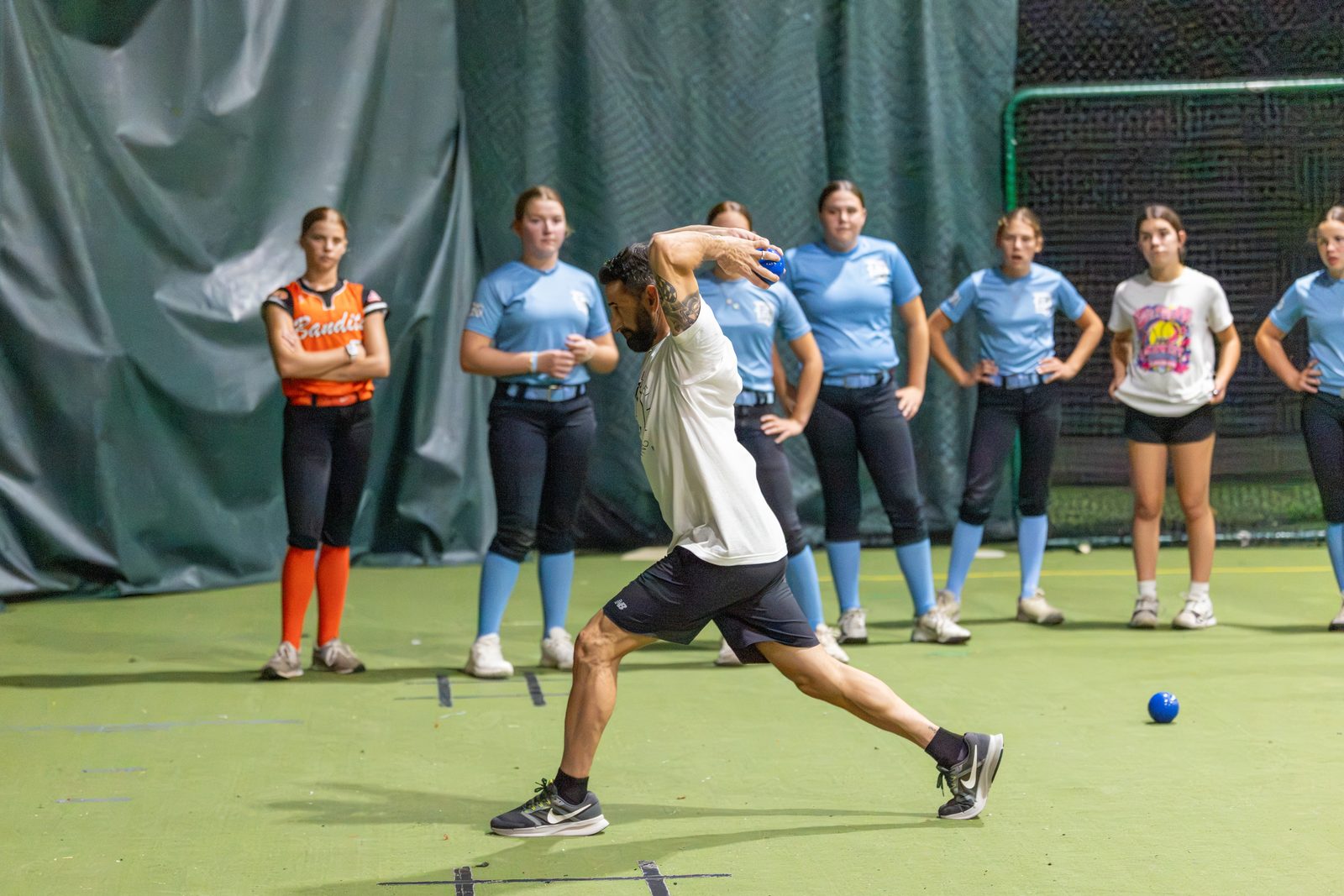
Many coaches teach throwing drills, give athletes cues, or focus on improving velocity. Austin’s approach is to develop the athlete’s understanding and execution of the entire throwing movement. The goal is not just to perform a drill correctly but to build skills that transfer to throwing.
2. He breaks down a complex movement into understandable pieces.
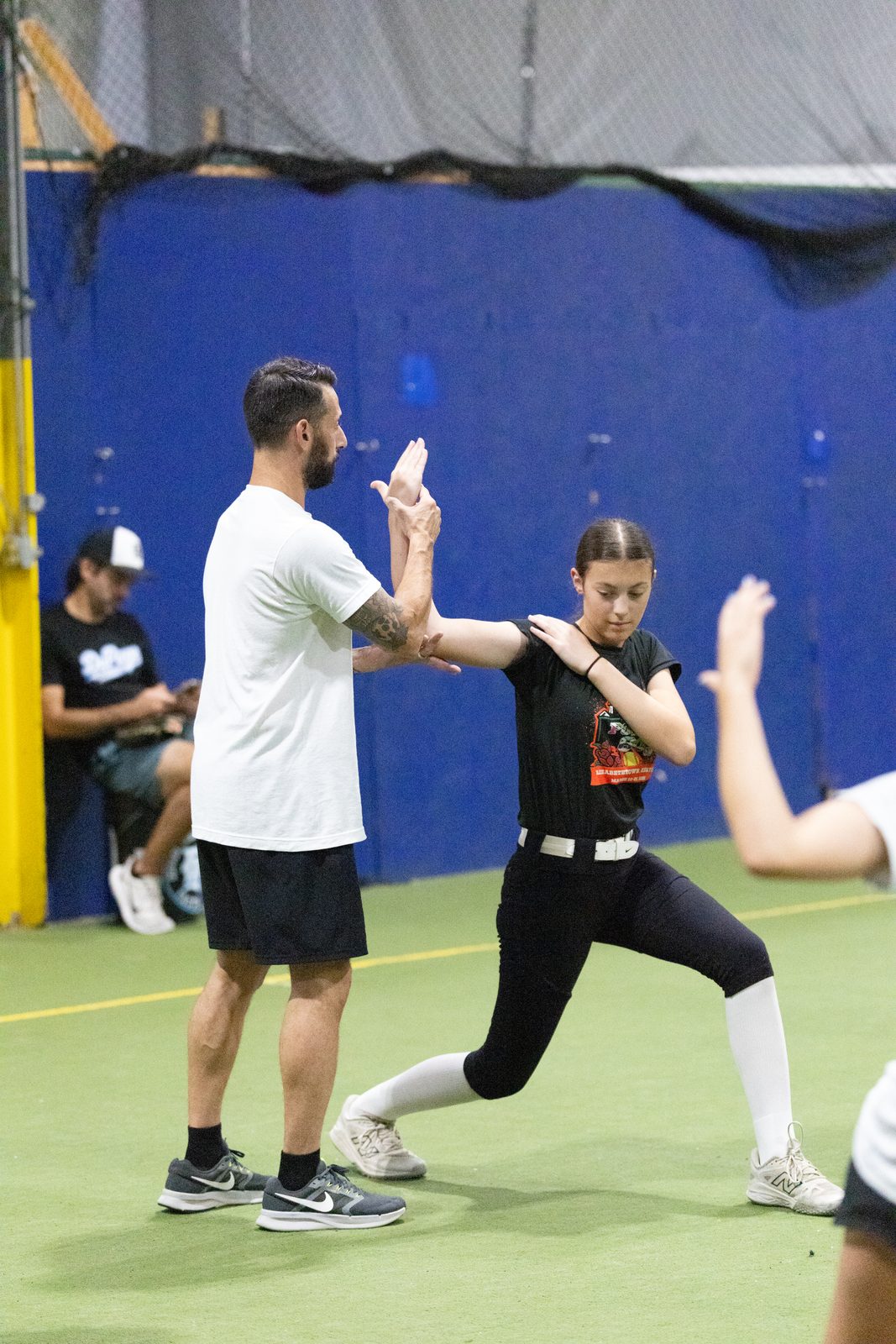
Throwing involves the lower half, hips, rotation, scapula, arm pathway, sequencing, and follow-through. Austin’s distinctive contribution, as High Level Throwing® presents it, is organizing these elements into a teachable framework so athletes can understand not only what to do but why it matters.
3. His drills have a purpose beyond the drill itself.
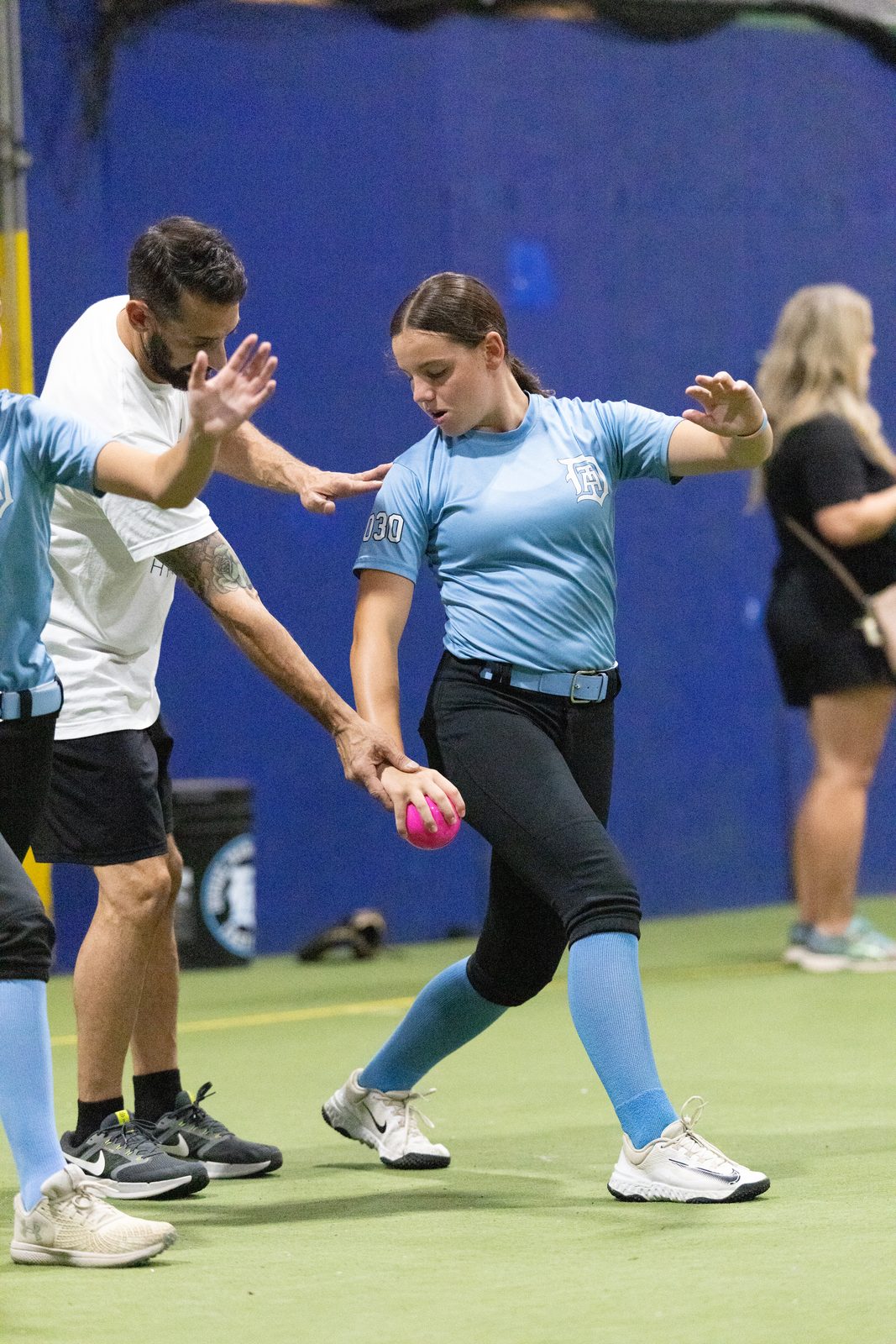
A backpedal-to-shuffle, staggered-stance throw, half-kneeling turn-and-throw, or long-arm-pathway exercise might not look exactly like a play in a game. Within a structured program, however, each drill can isolate or develop a specific movement skill. The point is to understand what the drill teaches and how that skill contributes to the bigger picture.
4. He teaches a progression, not a random collection of tips.
HLT emphasizes foundational work, warmups, pre-throw preparation, arm care, movement patterning, and progressively more complex throwing activities. Instead of constantly adding new drills, the objective is to help athletes build on what they have learned.
5. He looks beyond velocity alone.
Throwing harder can be an important goal, but it isn’t the only measure of development. Movement quality, consistency, the ability to execute different throws, and appropriate preparation and workload all matter. HLT’s broader focus is developing a more capable throwing athlete, rather than chasing a radar-gun number at the expense of everything else.
6. He makes throwing mechanics teachable.
Throwing can be difficult to explain, especially to young athletes who are still developing body awareness. HLT’s terminology and structured teaching approach aim to make complicated movement concepts easier to understand, practice, and revisit as the athlete develops.
7. He has built a system that can extend beyond a single lesson.
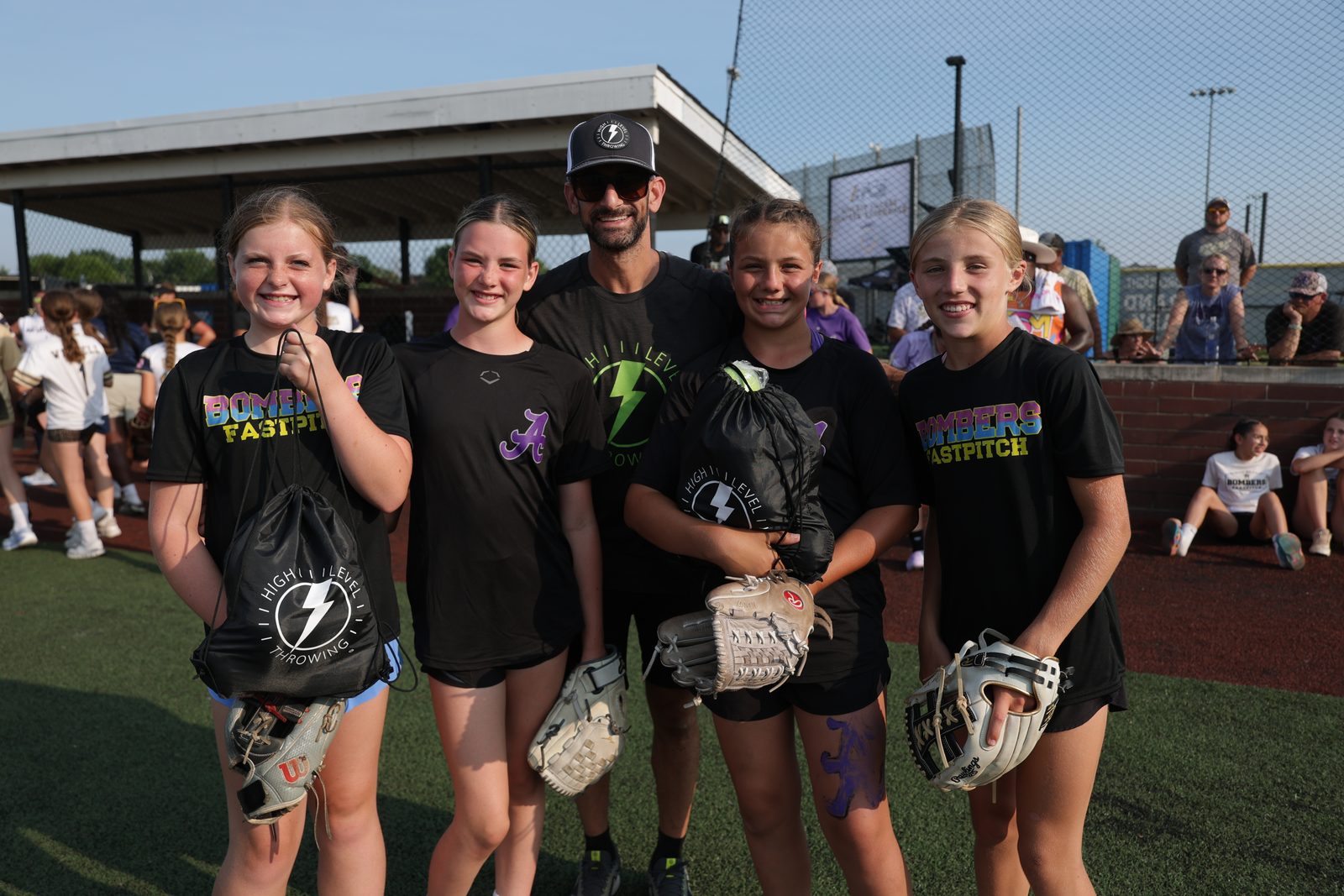
Austin’s work combines in-person instruction, educational materials, video assessments, structured training progressions, and team integration. His background includes a degree in exercise science, a master’s degree in human nutrition, the CSCS credential, collegiate baseball, professional baseball, and approximately 20 years of athlete training experience.
That matters because the goal is to make throwing development something athletes and coaches can continue working on, not something that only happens when Austin is standing in front of them. Stay tuned for some exciting new things coming for coaches in 2027.
The Biggest Distinction: Teaching the Why, Not Just the What
A coach can tell an athlete to tuck her glove, change her arm path, rotate her hips, or perform a particular drill. But does the athlete understand the purpose behind the movement? Does the coach understand how that movement fits into the larger throwing pattern? And is there a progression to help the athlete develop that skill?
Austin Wasserman: The Difference Between Teaching a Throw and Developing a Throwing Athlete
There is a difference between teaching throwing drills and understanding how to develop a throwing athlete.
Austin Wasserman, founder of High Level Throwing®, has spent years breaking down the overhand throwing motion into teachable components that athletes, parents, and coaches can understand.
High Level Throwing® isn’t simply a collection of drills. It’s a structured approach to throwing development that connects movement patterns, foundational preparation, arm care, mechanics, and purposeful progressions.
Every drill should have a reason. Every progression should serve a purpose. And every athlete should understand that throwing development involves much more than simply trying to throw harder.
From the youngest athletes learning foundational movements to advanced players refining position-specific throwing skills, the objective is to develop a more complete, capable throwing athlete.
We don’t just teach athletes what to do. We teach them to understand the throw. That’s the philosophy behind High Level Throwing®.