

For those who haven't used High Level Throwing® yet, there is a common belief about throwing development:
If a drill looks like part of the throwing motion, it must be helping the athlete throw better.
But that isn't always true.
Some of the most common throwing drills—wrist flicks, L-drills, isolated arm-action drills and other “feel” exercises—can create movement patterns that an athlete eventually has to unlearn.
It means we have to ask a better question:
What pattern is this drill actually teaching?
The arm doesn't throw by itself
Throwing is a coordinated movement involving the feet, legs, hips, trunk, scapula, shoulder and arm.
The arm is the end of a sequence.
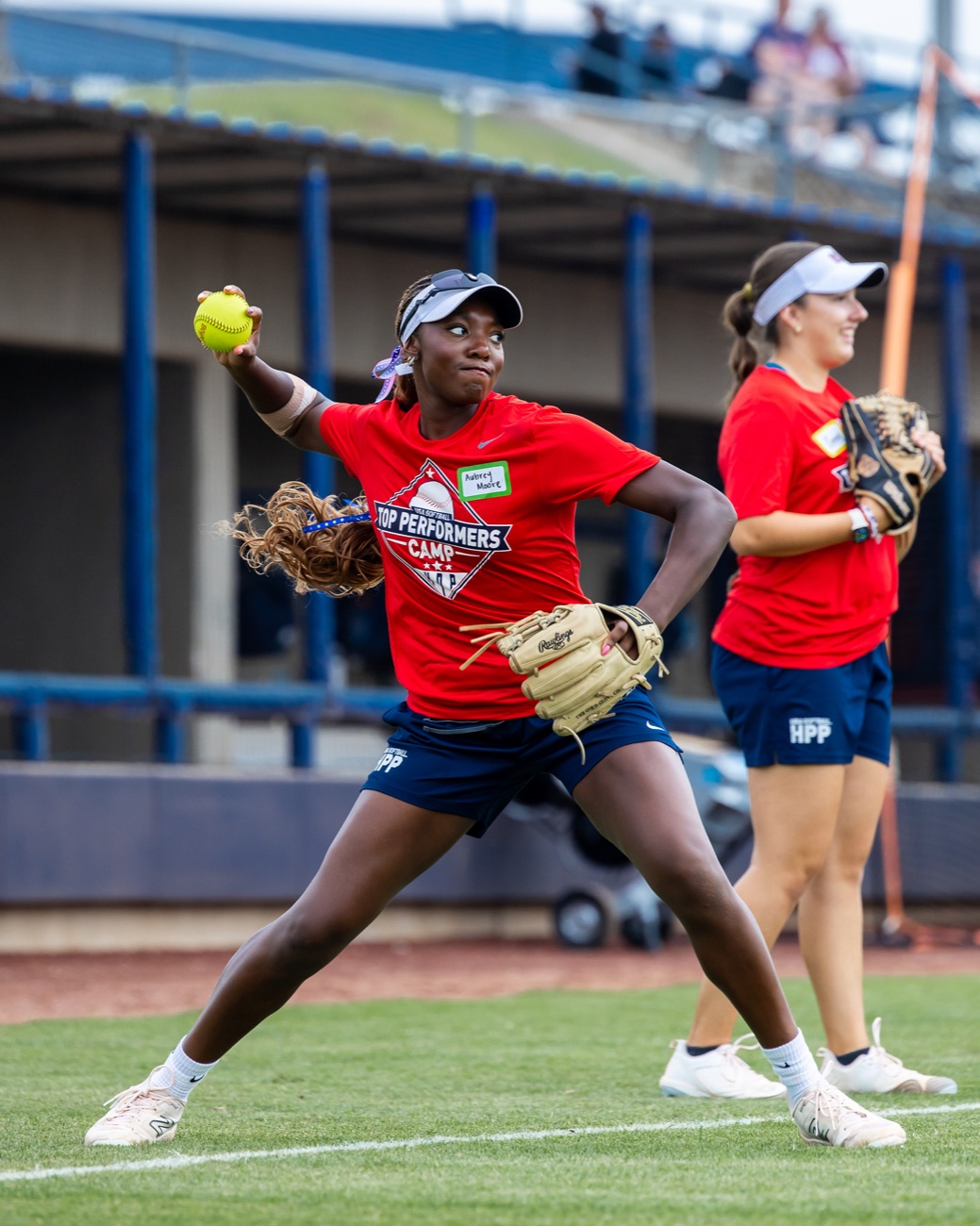
The arm is the end of a sequence — not the start of one.
When we repeatedly train the arm in isolation, we can unintentionally teach athletes to solve a throwing problem with the part of the body that is easiest to manipulate—the arm.
That's where problems can begin.
- A young athlete might become very good at performing a wrist flick.
- They might become very good at an L-drill.
- They might even look “clean” doing an isolated arm drill.
But being good at the drill doesn't necessarily mean they've become better at throwing.
The nervous system learns the movement it repeatedly practices.
And if the drill consistently removes the lower half, trunk, timing, direction, momentum and natural sequencing of the throw, we're asking the athlete to learn a version of throwing that doesn't actually exist on the field.
The problem with creating an artificial pattern
Imagine teaching an athlete to repeatedly position the arm in a certain way without allowing the rest of the body to participate.
Eventually, that position can become familiar. The athlete knows where the arm is supposed to go.
But when we put the athlete back into a real throw, the body has to figure out how to connect everything again.
That's where you can see athletes who have a beautiful-looking drill but struggle to transfer it into an actual throw.
The drill and the throw have become two different skills.
And now the coach has another problem: the athlete may have to be retaught how to organize the movement.
A drill should build the throw, not replace it
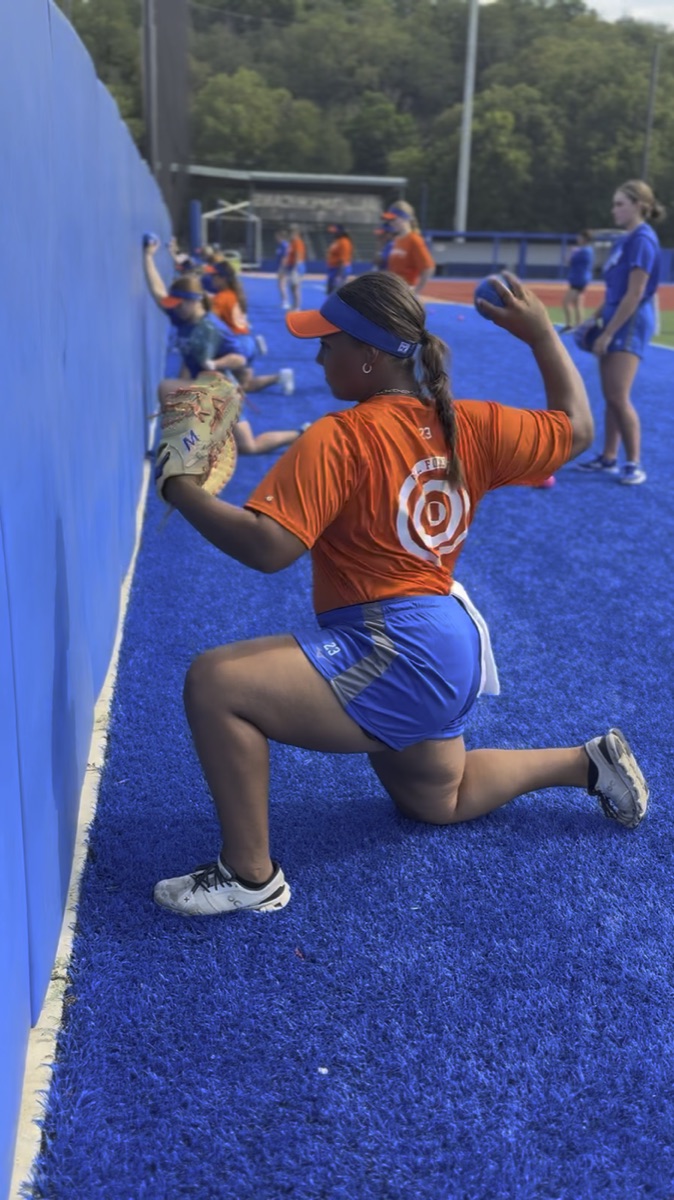
Wall taps at a clinic — a drill that keeps the body organized around the throw.
This is one of the biggest differences in how we approach throwing development at High Level Throwing®.
We aren't interested in creating a picture-perfect arm position for the sake of creating a picture-perfect arm position.
We're interested in developing the entire movement pattern.
That means understanding how the lower body creates movement, how the hips and trunk contribute, how the scapula works, how the arms organize themselves within the sequence, and how all of those pieces connect.
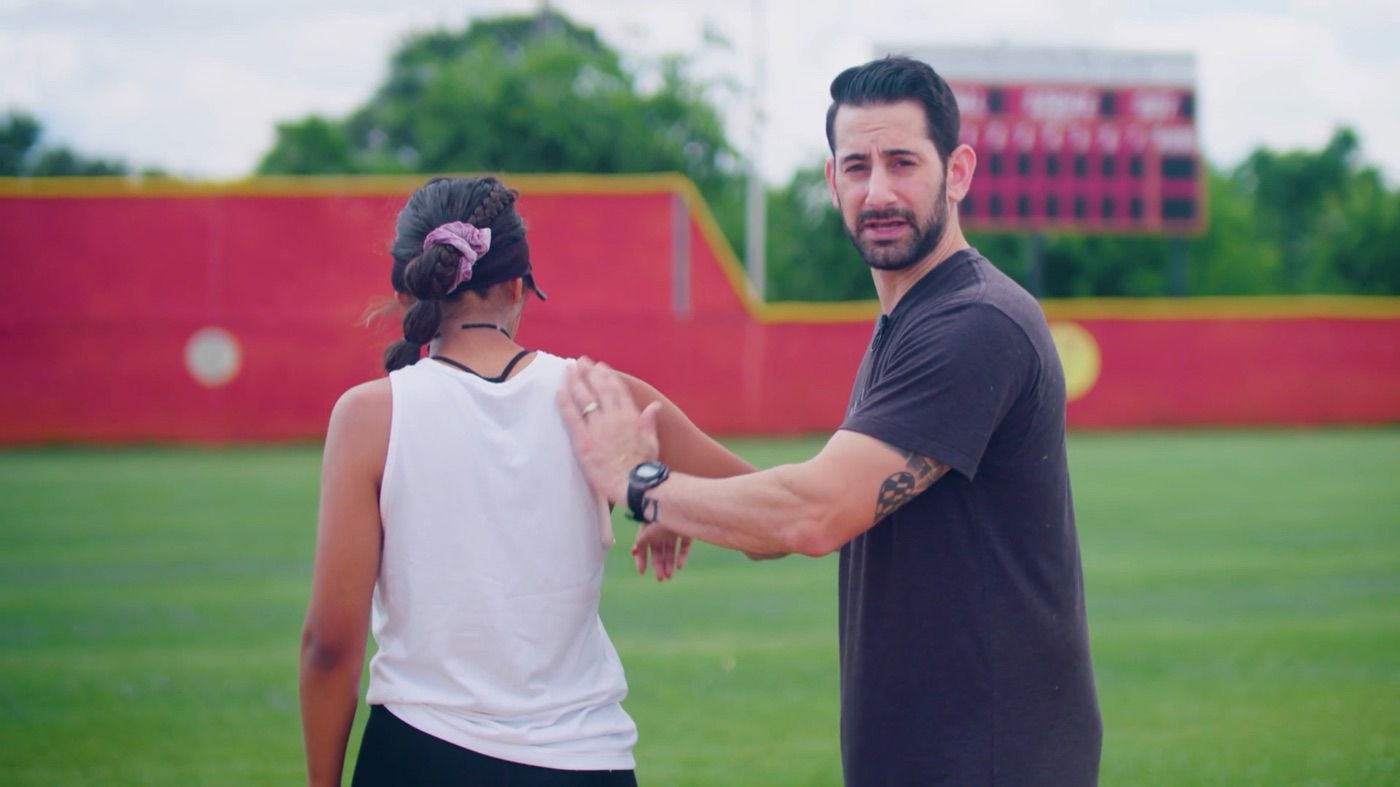
Scapular work belongs inside the throw, not bolted on beside it.
The goal isn't to make an athlete look like they're doing a drill.
The goal is to make the athlete a better thrower.
What about “feel”?
This is where the conversation gets more nuanced.
There are times when an isolated movement can help an athlete understand a sensation. A drill can be useful as a teaching tool.
But a teaching tool should not become the athlete's throwing pattern.
If an athlete has to perform hundreds or thousands of repetitions of an isolated movement to “teach” the arm something, we have to consider what else we're teaching at the same time.
Repetition creates familiarity. And familiarity becomes movement behavior.
Don't confuse simplicity with specificity
One of the biggest misconceptions in athletic development is that a training movement has to look exactly like the sport skill to be useful.
The opposite mistake is also common: believing that an isolated piece of the sport skill automatically teaches the whole skill.
Neither is true.
Good athletic development develops the physical and movement qualities that allow the athlete to execute the sport skill efficiently.
For throwing, that means developing the athlete—not simply rehearsing pieces of the arm action.
The goal is transfer
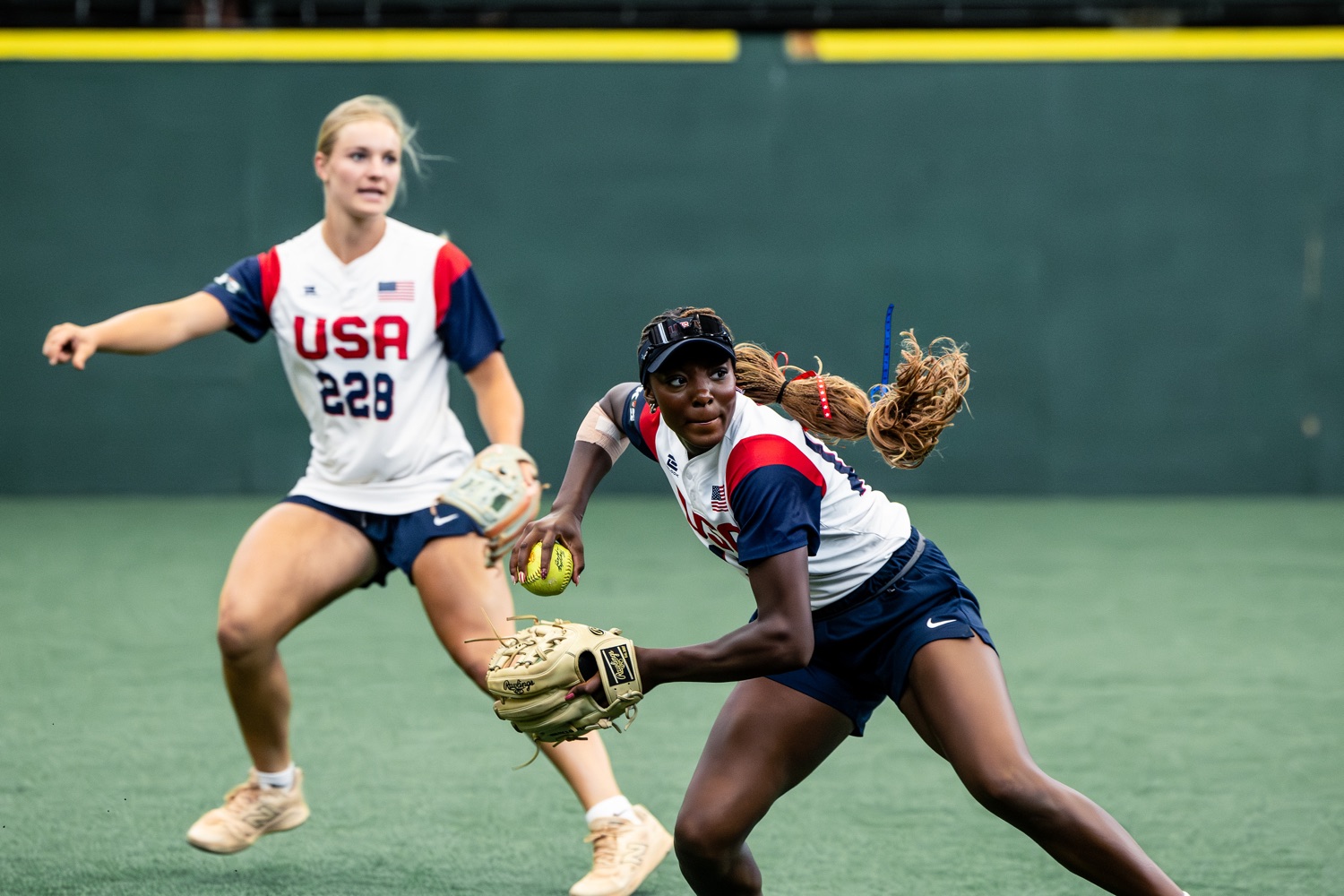
This is the test — ball in hand, a play to make, body connected.
At High Level Throwing®, our question isn't:
“Does this drill look like throwing?”
Our question is:
“Does this help the athlete organize a better throw?”
That's a much higher standard.
Because ultimately, athletes don't get rewarded for how well they perform wrist flicks. They don't get recruited because they can perform an L-drill beautifully.
They get rewarded for what they can do when they actually have a ball in their hand and need to throw.
Build the pattern. Don't create one that has to be undone.
Throwing development should give athletes better movement options, better sequencing and better tools for producing an efficient throw.
The earlier we teach the body how to work together, the less time we have to spend later breaking down inefficient patterns and rebuilding them.
That's why we don't simply chase isolated arm positions.
We develop the throw from the ground up.